
As stewards of our gardens and guardians of our planet's precious water resources, we are constantly seeking smarter solutions for nurturing our landscapes. The quest for a lush, vibrant garden often clashes with the imperative of conservation, especially in an era of increasing water scarcity and environmental awareness. Traditional watering methods, with their broad sprays and imprecise patterns, can waste a staggering amount of water through evaporation, runoff, and overspray—water that never reaches the root zone where plants need it most. This inefficiency is not just costly; it represents a missed opportunity to cultivate responsibly.
At Micro Mist Irrigation Products Co., Ltd., we have dedicated our expertise to resolving this very challenge. For years, our focus has been on pioneering irrigation technologies that deliver exceptional results without excess. The micro sprinkler sprayer stands as a testament to this commitment—a sophisticated tool that bridges the gap between the pinpoint accuracy of drip systems and the area coverage of conventional sprinklers. This article delves deep into the mechanics, benefits, and implementation strategies of these systems, drawing from our extensive, hands-on experience.

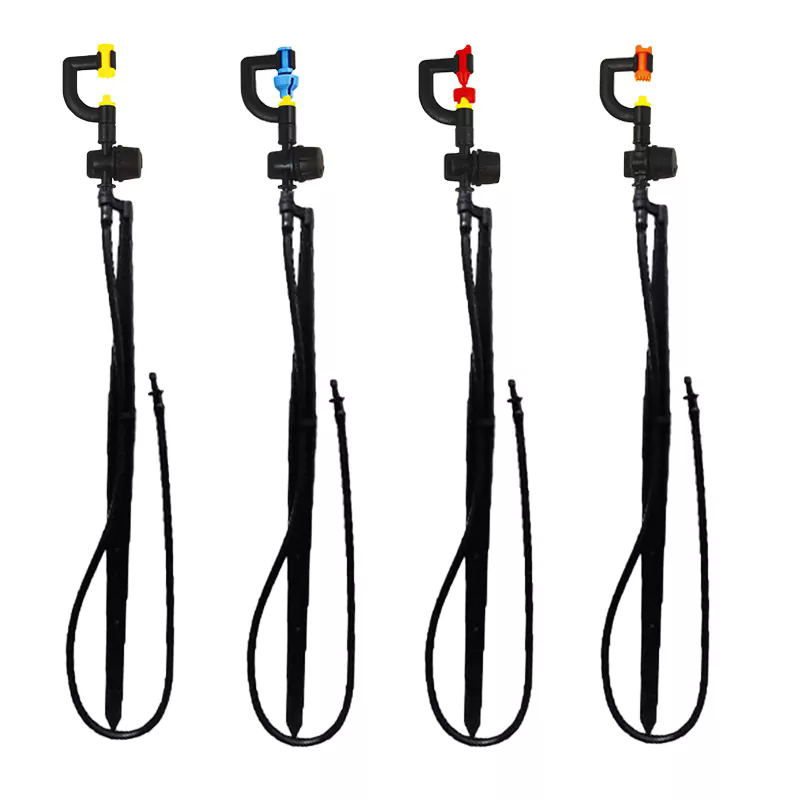
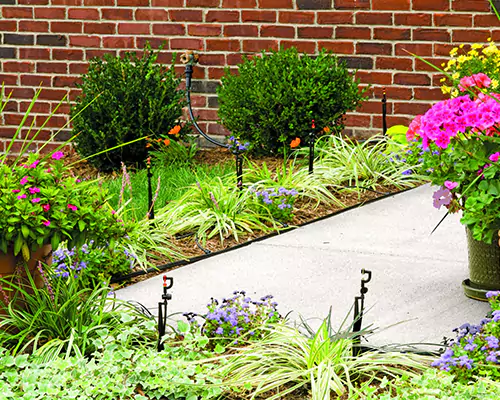
Micro sprinkler sprayers represent a sophisticated evolution in point-source irrigation technology. Unlike traditional overhead sprinklers or drip emitters, these devices deliver a fine, targeted spray of water over a small to medium area, typically covering radii from 3 to 15 feet. The core mechanism involves low-pressure operation, usually between 15 to 30 PSI, where water is forced through a precision-engineered nozzle or spinner. This creates a uniform distribution pattern, often resembling a gentle rain shower. This method sits perfectly between drip irrigation and conventional sprinklers, offering the localized application of the former with the broader coverage of the latter.

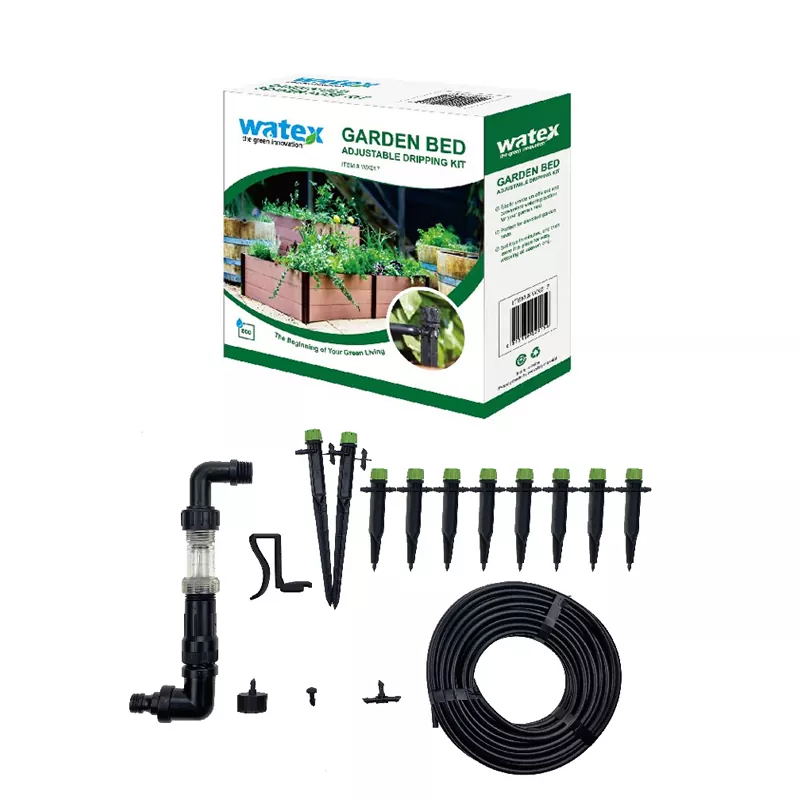
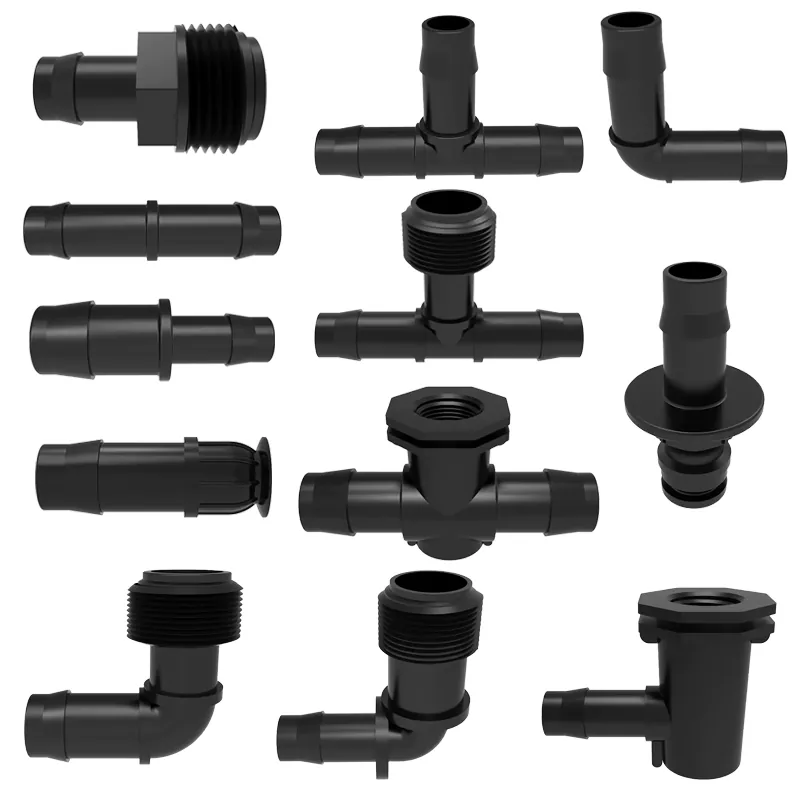
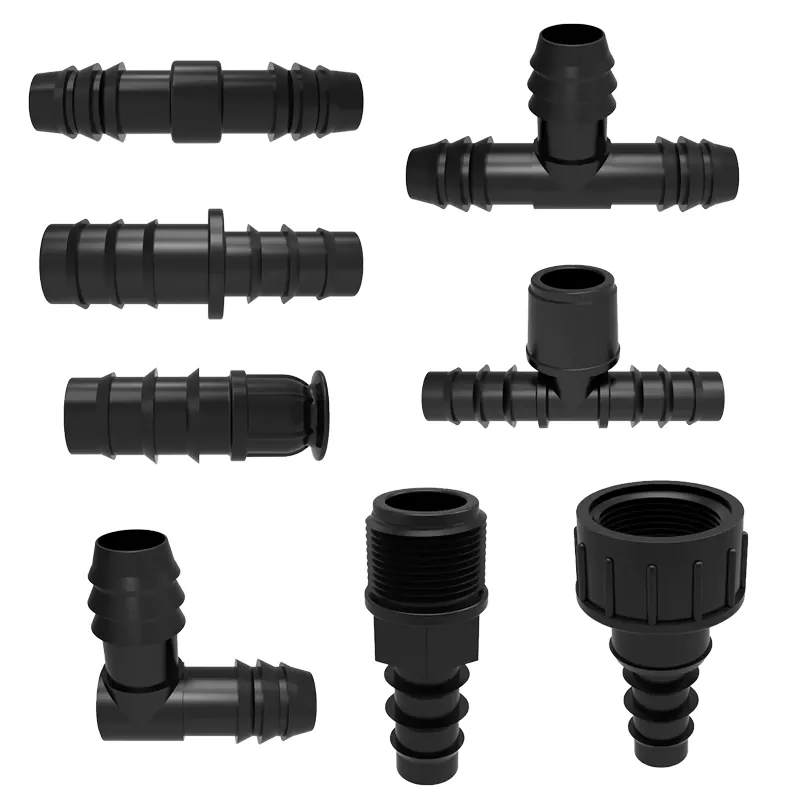
At Micro Mist Irrigation Products Co., Ltd., our engineering philosophy centers on creating irrigation solutions that mimic natural hydration processes. Our micro sprinklers function by breaking the water stream into numerous tiny droplets. This process is crucial for several reasons. Firstly, it reduces soil surface sealing and compaction. Secondly, it minimizes wind drift and evaporation loss. The components of a typical system from our factory include the sprinkler head, a stake for height adjustment, a specialized nozzle, and often a pressure regulator. The system is connected via a network of low-density polyethylene (LDPE) or poly tubing, delivering water directly from the main line.
The advantages of this working principle are manifold for garden irrigation:
Our commitment at Micro Mist Irrigation Products Co., Ltd. is to provide irrigation tools that not only work efficiently but are also durable and user-friendly. The materials used in our products, such as UV-stabilized plastics and corrosion-resistant internals, are selected to ensure longevity and consistent performance season after season, directly contributing to sustained water savings.
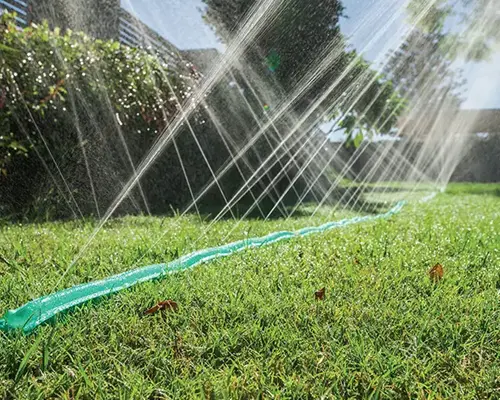
Water efficiency has transitioned from a mere best practice to an absolute necessity in horticulture and landscaping. With increasing frequency of droughts, municipal watering restrictions, and rising water costs, optimizing every drop used in garden irrigation is paramount. Inefficient watering practices, such as using high-volume spray heads or poorly timed schedules, can lead to over 50% water loss due to evaporation, runoff, or deep percolation beyond the root zone. This is not just an economic drain but also an environmental concern, stressing local water resources.
An efficient irrigation system does more than conserve water; it promotes a healthier garden. Overwatering is a common culprit behind root rot, fungal diseases, and nutrient leaching. Conversely, underwatering stresses plants, reducing their vitality and yield. The goal is to apply the exact amount of water needed, exactly where it is needed, at the optimal time. This is where the science of modern irrigation intersects with practical gardening. Data shows that switching from traditional spray systems to high-efficiency micro-irrigation can reduce outdoor water use by 30% to 50%.
For us at Micro Mist Irrigation Products Co., Ltd., driving water efficiency is the core of our mission. Our product development focuses on creating irrigation components that give gardeners precise control. Consider these critical aspects:
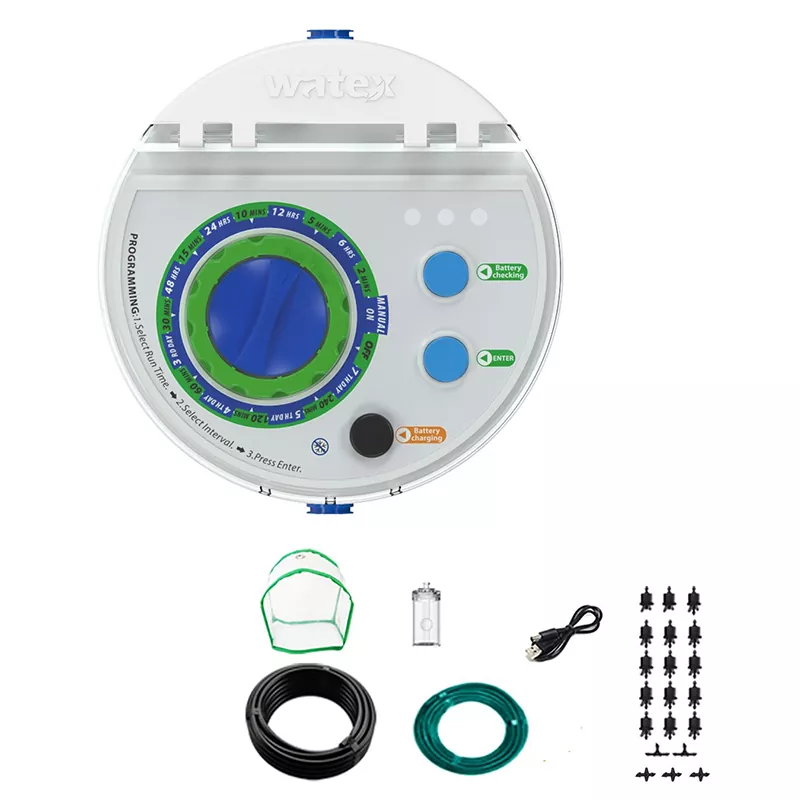
Implementing a water-efficient strategy with our micro-sprinkler systems is a proactive step toward responsible garden management. The technology embedded in our products allows for seamless integration with smart controllers and soil moisture sensors, taking the guesswork out of watering and solidifying the role of precision irrigation in the future of gardening.
Micro sprinkler sprayers elevate water efficiency through a multi-faceted approach that targets the primary sources of waste in garden irrigation. Their design and operational parameters are meticulously crafted to maximize application uniformity and minimize losses. The first and most significant enhancement is the drastic reduction in evaporation loss. Because micro sprinklers operate close to the ground and produce larger droplets than misters, water has less exposure to wind and sun before reaching the soil surface. Studies indicate this can reduce evaporation losses during application to less than 10%, compared to 30% or more for overhead sprinklers on a windy day.
Secondly, the application rate of a micro-sprinkler system is typically lower than the soil's infiltration rate. This is a critical technical factor. It means water has time to soak into the ground without pooling or running off. This ensures that water is stored in the root zone where plants can access it, rather than being lost as surface runoff, which also carries away valuable topsoil and fertilizers. Our engineers at Micro Mist Irrigation Products Co., Ltd. carefully calibrate the nozzle sizes and operating pressures across our product range to achieve this balance for various soil types, from fast-draining sand to slow-absorbing clay.
Let's examine the specific mechanisms of enhancement:
The cumulative effect of these features is a highly efficient irrigation process. By partnering with Micro Mist Irrigation Products Co., Ltd., gardeners access technology that turns efficiency from a concept into a measurable outcome, directly observable in healthier plants and lower water bills.
Selecting the right micro sprinkler sprayer is not a one-size-fits-all decision. Optimal performance and peak water efficiency are achieved by matching key product specifications to the unique requirements of your garden. Understanding these parameters allows for an informed design that maximizes savings and plant health. At Micro Mist Irrigation Products Co., Ltd., we provide transparent and detailed specifications for all our irrigation components, empowering our customers to build superior systems.
The most critical specifications include operating pressure, flow rate, spray radius, and precipitation rate. These factors are interdependent. For instance, a sprinkler operating below its recommended pressure will not achieve its full radius and will suffer from poor distribution uniformity. Conversely, excessive pressure creates misting and waste. Our factory rigorously tests each model to provide reliable data that installers and gardeners can trust.
Below is a detailed table outlining the key specifications for a selection of our core micro-sprinkler products. This data is essential for proper system planning and zoning.
| Model | Operating Pressure (PSI) | Flow Rate (GPH) | Spray Radius (ft) | Coverage Area (sq ft) | Recommended Use |
| MM-180 Fan Jet | 20 - 30 | 10 - 15 | 6 - 8 | 113 - 201 | Dense vegetable beds, ground cover |
| MM-360 Spinner | 15 - 25 | 7 - 12 | 10 - 12 | 314 - 452 | Shrub beds, small fruit trees |
| MM-90 Spot Spitter | 15 - 30 | 2 - 5 | 3 - 4 | 28 - 50 | Container plants, individual shrubs |
| MM-VS Variable Spray | 20 - 30 | 5 - 20 | 4 - 15 (adjustable) | 50 - 707 | Mixed gardens with varied plant spacing |
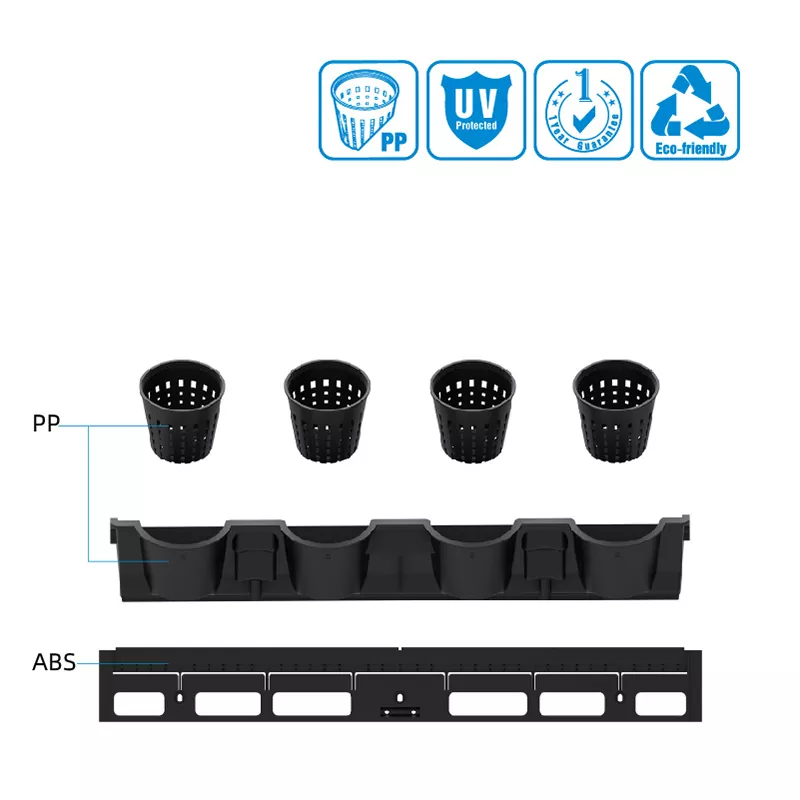
Beyond these core specs, material quality is a non-negotiable specification for longevity. Our products are manufactured using UV-stabilized, reinforced polymers that resist cracking and degradation from sun exposure. The internal components are designed to be self-flushing or include built-in filters to prevent clogging from mineral deposits—a common issue that destroys uniformity and efficiency. When you evaluate our irrigation products, you are not just looking at numbers; you are reviewing two decades of our refinement focused on durability and consistent performance under real-world conditions.
Implementation is where planning meets execution. A well-designed system using high-quality components from Micro Mist Irrigation Products Co., Ltd. will only deliver its promised water efficiency if installed and managed correctly. The process begins with a detailed map of your garden, noting plant types, sun exposure, soil conditions, and slope. This map forms the basis for creating hydrozones—grouping plants with similar water needs on the same valve circuit.
The next step is selecting the appropriate micro-sprinkler models and nozzles from our range based on the specifications discussed earlier. For example, use lower-flow, smaller-radius sprayers for a tight row of lettuce, and a larger spinner-type for a cluster of blueberries. Always include a filter (we recommend a 150-mesh screen) at the head of the system to protect the small nozzle orifices from debris. A pressure regulator is also crucial to ensure the pressure entering the zone is within the optimal range for the selected sprinklers, protecting them from damage and ensuring efficient operation.
Here is a step-by-step implementation guide for a new garden irrigation system:
Our technical support team is always ready to assist with implementation questions. Remember, a correctly installed micro-sprinkler system from Micro Mist Irrigation Products Co., Ltd. is an investment that pays for itself through water savings and garden vitality, establishing a foundation for sustainable irrigation for years to come.
Micro sprinkler sprayers are a transformative technology for garden irrigation, offering a compelling solution to the dual challenges of water conservation and plant health. By delivering water with high uniformity directly to the root zone at low pressure, they dramatically reduce losses from evaporation, runoff, and wind drift. The key to unlocking this efficiency lies in understanding and applying the correct product specifications—such as pressure, flow rate, and radius—and implementing a well-planned system tailored to your garden's specific hydrozones.
At Micro Mist Irrigation Products Co., Ltd., our entire operation is dedicated to perfecting these efficient irrigation solutions. From the materials in our factory to the final performance data, every aspect of our product development is guided by the principle of doing more with less water. We believe that providing gardeners with reliable, precise, and durable tools is the most direct way to promote sustainable landscaping practices globally.
Stop overpaying for water and undernourishing your plants. Explore the full range of precision-engineered micro sprinkler sprayers and complete irrigation system kits available from Micro Mist Irrigation Products Co., Ltd. today. Contact our expert team for a free consultation or download our detailed system planning guide to start your journey toward a lush, vibrant, and water-wise garden.
Both micro-sprinklers and drip irrigation are highly efficient, but they serve different purposes. Drip irrigation is the most water-efficient method for linear plantings like rows of crops or hedges, as it applies water directly to the soil surface at a very slow rate with virtually no evaporation loss. Micro sprinklers are slightly less efficient in direct comparison but offer superior efficiency for covering broader, irregularly shaped areas like shrub beds, ground cover, or mixed gardens. They provide better air moisture for certain plants and can help with germination. The choice depends on your garden layout; often, the most efficient systems use a combination of both technologies from a quality provider like Micro Mist Irrigation Products Co., Ltd.
Yes, they can, but proper filtration is absolutely critical. Well water often contains sand and fine sediments, while hard water has high mineral content (calcium, magnesium). These can clog the small orifices in micro-sprinkler nozzles, destroying their uniformity and efficiency. We always recommend installing a high-quality screen filter (at least 150 mesh) or a disc filter at the head of your irrigation system. For severe hard water, periodic cleaning with a mild acid solution (like vinegar) may be necessary. Our products are designed with clog-resistant features, but filtration is a non-negotiable component of a reliable irrigation system with any water source.
Minimal but regular maintenance is key to sustaining peak efficiency. We recommend a quarterly check: 1) Inspect and clean the filter(s). 2) Run each zone and visually check for clogged, damaged, or misaligned sprinkler heads. Clean any clogged nozzles with a pin or soft brush. 3) Ensure stakes are upright and heads are at the correct height. 4) Check for leaks at fittings. 5) At season's end, in freezing climates, the system must be winterized by blowing out the lines with compressed air to prevent freeze damage. This simple routine ensures your system from our factory continues to deliver the water savings you expect.
Micro sprinklers are generally not the best primary solution for traditional, large lawns. Their coverage area per head is smaller, requiring more heads and tubing, which can be costly and complex for vast turf areas. They are, however, excellent for small, irregularly shaped patches of grass, newly seeded lawns where gentle watering is needed, or for integrating turf areas within a larger landscaped garden bed. For dedicated lawn irrigation, rotor or spray head systems are typically more practical. However, for targeted, efficient watering in complex landscapes, our micro-sprinklers are unparalleled.
A rough but effective calculation involves three steps: 1) Measure your current water usage. Run your existing system for 15 minutes and use a water meter or catch cans to measure output in gallons. Calculate gallons per hour (GPH). 2) Design your new micro-sprinkler system using the GPH specifications for our products. Sum the total GPH for a typical zone. 3) Compare the two numbers. Typically, efficiency gains of 30-50% are common due to reduced evaporation and runoff. Also factor in smarter scheduling (e.g., watering early morning) enabled by the system. For an accurate assessment, our team at Micro Mist Irrigation Products Co., Ltd. can often provide case studies or modeling based on your specific garden details.
Copyright © 2025 Micro Mist Irrigation Products Co., Ltd. All Rights Reserved.