
Water conservation has become one of the most important concerns for homeowners, gardeners, farmers, and landscape managers. Traditional irrigation systems often waste water, increase utility bills, and fail to provide plants with consistent moisture. A Smart Watering Timer solves these challenges by automating irrigation schedules, improving watering precision, and reducing manual labor. This comprehensive guide explores how smart watering technology works, why it matters, and how it can transform gardens, lawns, farms, and commercial landscapes into efficient and sustainable environments.
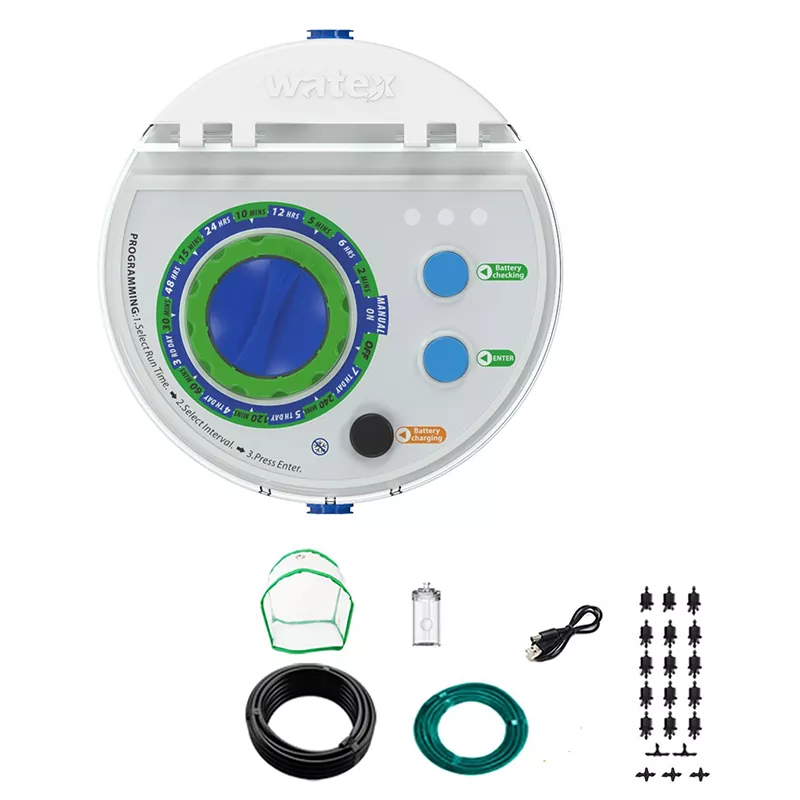
This article explains everything you need to know about Smart Watering Timer systems, including their functions, advantages, installation methods, water-saving capabilities, maintenance practices, and ideal applications. You will also discover practical tips for choosing the best irrigation timer, reducing water waste, protecting plant health, and improving irrigation efficiency for both residential and commercial projects.
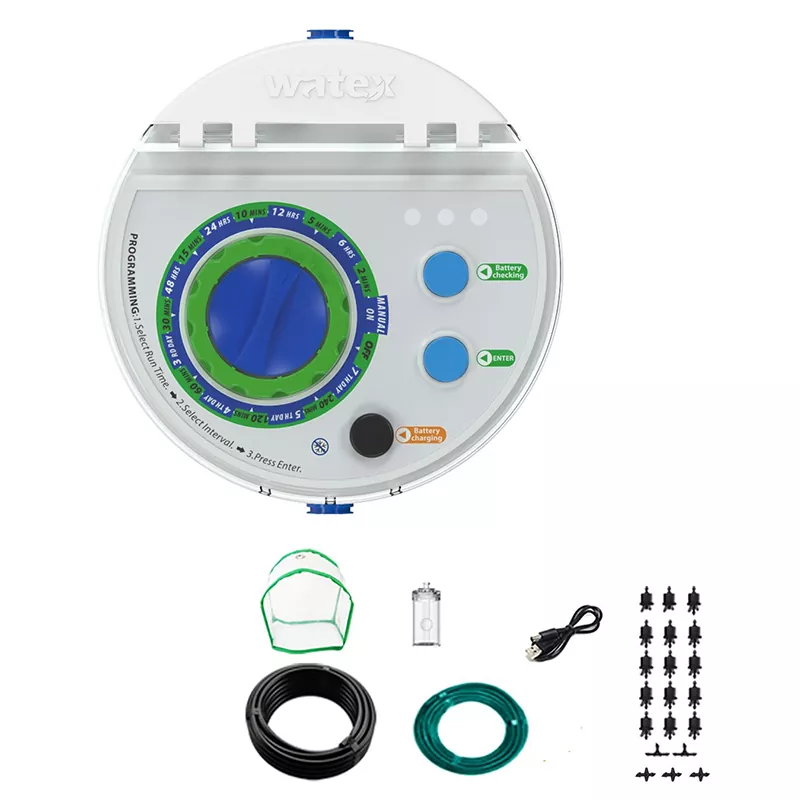
A Smart Watering Timer is an advanced irrigation control device designed to automate watering schedules based on real-time conditions, user preferences, and environmental data. Unlike basic irrigation timers that simply turn water on and off at fixed times, smart timers analyze factors such as weather forecasts, soil moisture levels, seasonal temperature changes, and rainfall conditions.
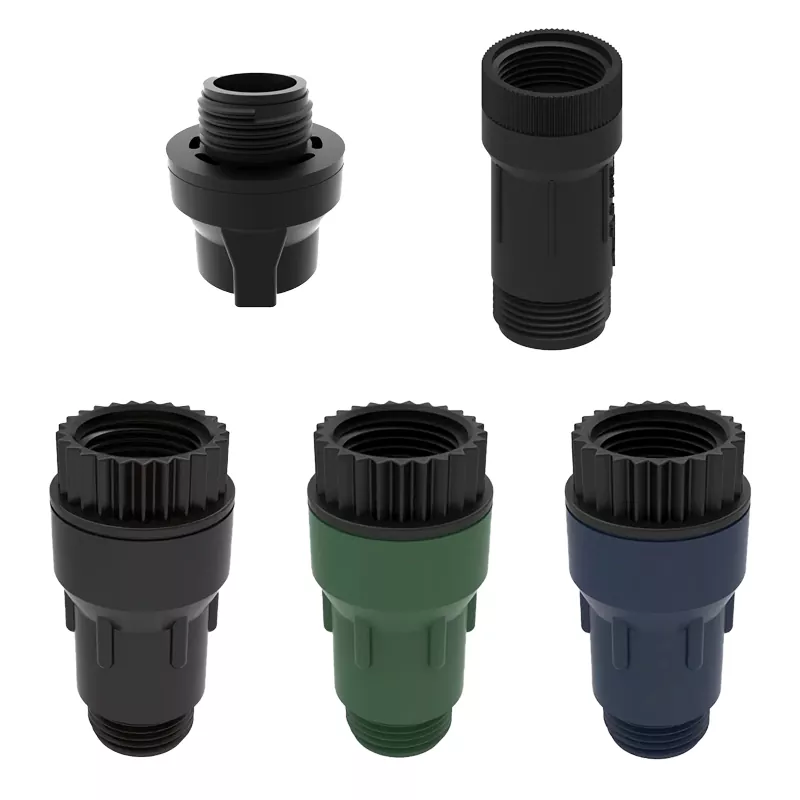
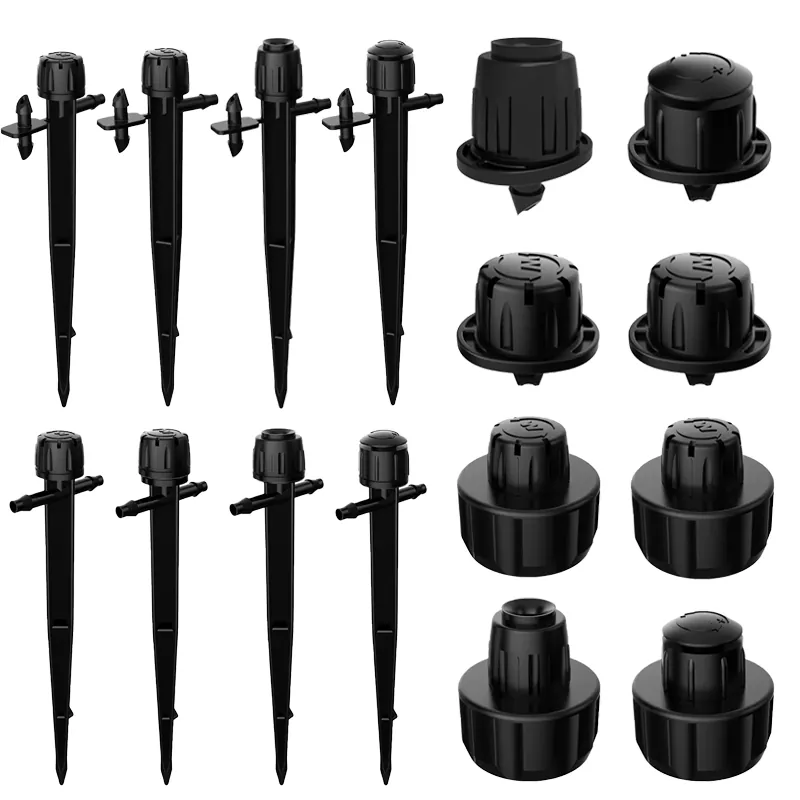
These intelligent systems connect to irrigation equipment like drip irrigation systems, garden hoses, sprinklers, and misting systems. Many models can also be controlled remotely through mobile applications, allowing users to monitor irrigation activity from anywhere.
Homeowners appreciate the convenience of automated watering, while commercial facilities benefit from reduced operational costs and improved landscape consistency.
Traditional irrigation systems often operate using outdated scheduling methods. Many homeowners program watering systems to run at fixed times regardless of rainfall, humidity, or seasonal conditions. This leads to unnecessary water consumption and unhealthy plant growth.
| Traditional Irrigation Issue | Impact |
|---|---|
| Fixed watering schedules | Excess watering during rainy periods |
| No weather monitoring | Water waste and increased utility costs |
| Manual operation | Human error and inconsistent irrigation |
| Uneven watering distribution | Plant stress and poor landscape appearance |
| Ignoring soil conditions | Root rot and nutrient loss |
Water scarcity concerns have encouraged both governments and consumers to seek efficient irrigation alternatives. Smart Watering Timers address these problems directly by applying water only when needed.
Smart Watering Timers combine hardware and software technologies to optimize irrigation schedules automatically. Depending on the system, they may include Wi-Fi connectivity, environmental sensors, weather integrations, and programmable irrigation zones.
For example, lawns require different watering patterns compared to vegetable gardens or flower beds. Smart irrigation systems recognize these differences and distribute water more efficiently.
Many systems also learn watering behavior over time, improving irrigation precision through adaptive scheduling.
Smart Watering Timers offer substantial advantages for residential and commercial users. Beyond simple automation, they improve plant health, reduce maintenance requirements, and support environmental sustainability.
| Benefit | Description |
|---|---|
| Water Conservation | Reduces unnecessary irrigation cycles |
| Lower Utility Bills | Minimizes excessive water usage |
| Healthier Plants | Maintains consistent soil moisture |
| Time Savings | Eliminates manual watering tasks |
| Remote Management | Allows smartphone-based control |
| Environmental Protection | Supports sustainable water management |
Modern irrigation systems also help reduce erosion and nutrient runoff caused by excessive watering. This is especially important for commercial landscaping projects and agricultural operations.
Not all irrigation timers offer the same capabilities. Selecting the right Smart Watering Timer depends on property size, irrigation type, and desired automation level.
Advanced models may also integrate with smart home ecosystems, making irrigation management part of a fully connected home environment.
Homeowners increasingly use Smart Watering Timers to maintain gardens, lawns, patios, rooftop gardens, balconies, and greenhouses. These systems provide reliable irrigation even when users travel frequently or maintain busy schedules.
Drip irrigation systems connected to smart timers are especially effective for vegetable gardens and flower beds because they deliver water directly to plant roots.
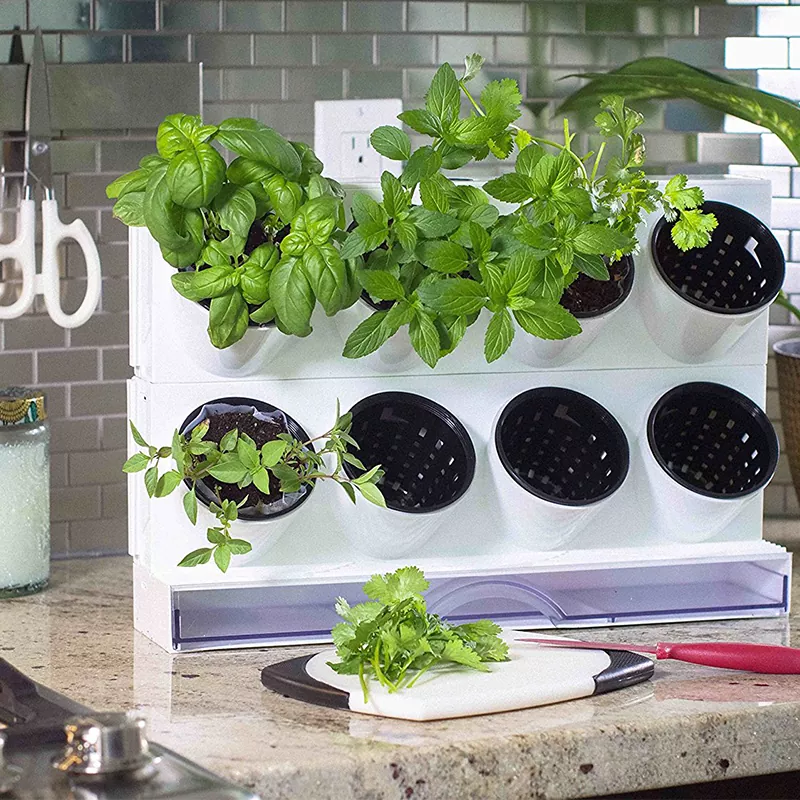
Urban gardening has also contributed to the popularity of compact smart watering solutions for balconies and indoor plant systems.
Commercial landscapes, hotels, golf courses, farms, and greenhouses require large-scale irrigation management. Smart Watering Timers simplify these operations through centralized automation and precise scheduling.
Agricultural producers benefit from moisture-based irrigation control because crop water requirements change depending on weather conditions and growth stages.
| Industry | Application |
|---|---|
| Hotels & Resorts | Landscape maintenance automation |
| Agriculture | Crop irrigation optimization |
| Greenhouses | Precise humidity and watering control |
| Municipal Landscaping | Public park irrigation efficiency |
| Golf Courses | Large-area watering management |
Companies like Micro Mist Irrigation Products Co., Ltd. continue developing advanced irrigation solutions that improve water efficiency for professional and industrial applications.
Understanding the differences between smart and conventional irrigation timers helps buyers make informed decisions.
| Feature | Smart Watering Timer | Traditional Timer |
|---|---|---|
| Weather Adaptation | Yes | No |
| Remote Access | Yes | No |
| Water Saving Capability | High | Limited |
| Soil Monitoring | Available | Unavailable |
| Automation Level | Advanced | Basic |
| Mobile App Support | Common | Rare |
While smart systems may require a higher initial investment, long-term savings often offset installation costs through reduced water consumption and lower maintenance expenses.
Installing a Smart Watering Timer is usually straightforward, especially for residential irrigation systems.
Professional installation may be recommended for large commercial irrigation networks or multi-zone agricultural systems.
Proper placement of soil moisture sensors and irrigation lines significantly improves system performance.
Routine maintenance helps maximize the lifespan and efficiency of smart irrigation systems.
Preventive maintenance reduces unexpected failures and ensures consistent watering performance throughout the year.
Even advanced irrigation systems can experience operational challenges. Understanding common issues helps users respond quickly.
| Problem | Possible Cause | Solution |
|---|---|---|
| Uneven watering | Clogged nozzles | Clean irrigation heads |
| Timer not connecting | Weak Wi-Fi signal | Improve router placement |
| Overwatering | Incorrect settings | Adjust schedules |
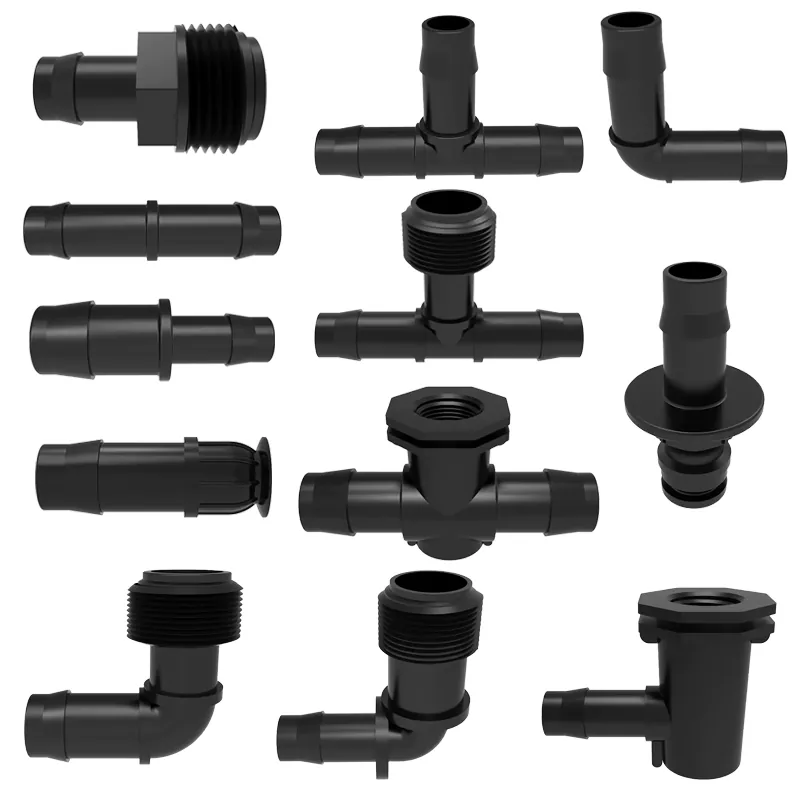
| Leaks | Damaged hose fittings | Replace connectors |
| Low pressure | Blocked filters | Clean filter components |
Smart diagnostic notifications available in many modern systems help users identify irrigation issues before major damage occurs.
Water conservation is one of the most valuable advantages of smart irrigation systems. Many regions face increasing drought conditions and stricter water regulations.
By using only the required amount of water, Smart Watering Timers help conserve natural resources while lowering operational costs.
Reduced water usage also decreases energy consumption associated with pumping and distributing irrigation water.
Businesses that adopt efficient irrigation technologies often improve sustainability performance and reduce maintenance expenses simultaneously.
Smart irrigation technology continues evolving rapidly. Artificial intelligence, machine learning, and advanced sensor technologies are transforming the future of water management.
As water conservation becomes increasingly important worldwide, intelligent irrigation systems will likely become standard equipment for residential and commercial landscapes.
Manufacturers such as Micro Mist Irrigation Products Co., Ltd. are helping accelerate innovation by developing high-efficiency irrigation components for global markets.
The primary advantage is automatic irrigation optimization based on weather conditions and plant needs, which helps save water and improve plant health.
Yes. By preventing unnecessary irrigation and adjusting schedules automatically, these systems significantly reduce water consumption.
Most residential systems are designed for easy installation and can be set up within a short time using mobile applications and simple connectors.
Absolutely. Smart timers are highly compatible with drip irrigation systems and improve their efficiency even further.
Yes. Automated scheduling allows irrigation systems to continue operating even when homeowners are away.
Yes. Commercial landscapes benefit greatly from automated irrigation management and reduced maintenance labor.
Micro Mist Irrigation Products Co., Ltd. specializes in innovative irrigation technologies designed for residential, commercial, agricultural, and industrial applications. Whether you need efficient drip irrigation systems, misting solutions, or intelligent watering controls, our team is ready to help you improve water efficiency and irrigation performance.
Contact us today to discover customized smart irrigation solutions for your projects.
Copyright © 2025 Micro Mist Irrigation Products Co., Ltd. All Rights Reserved.