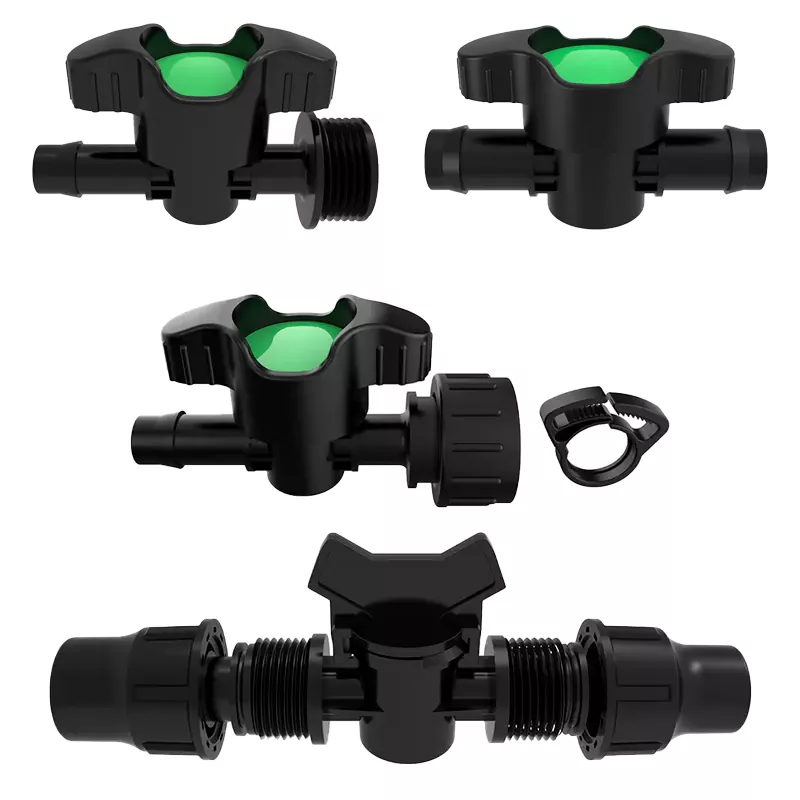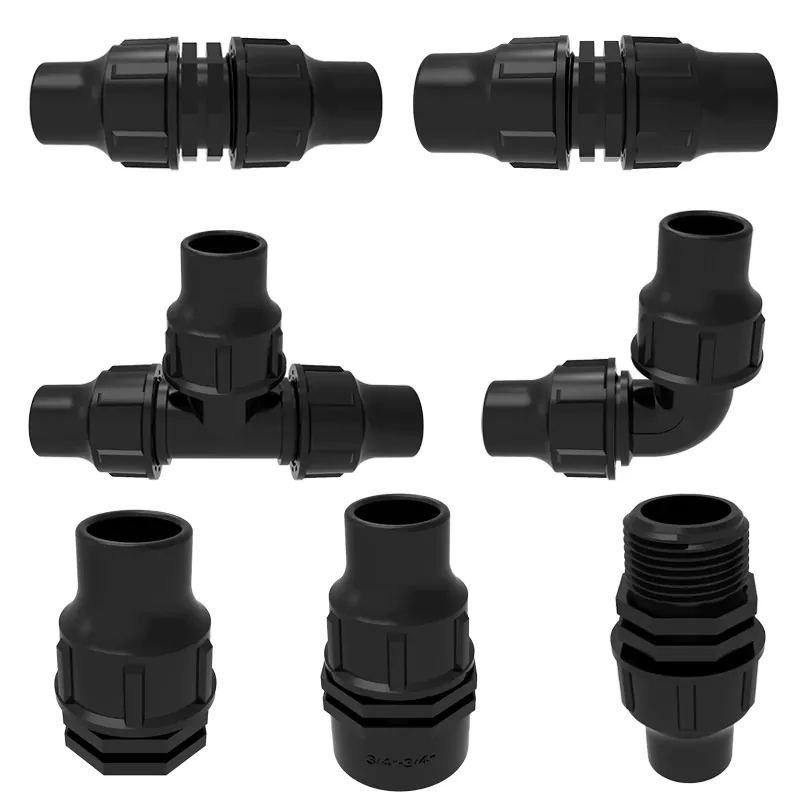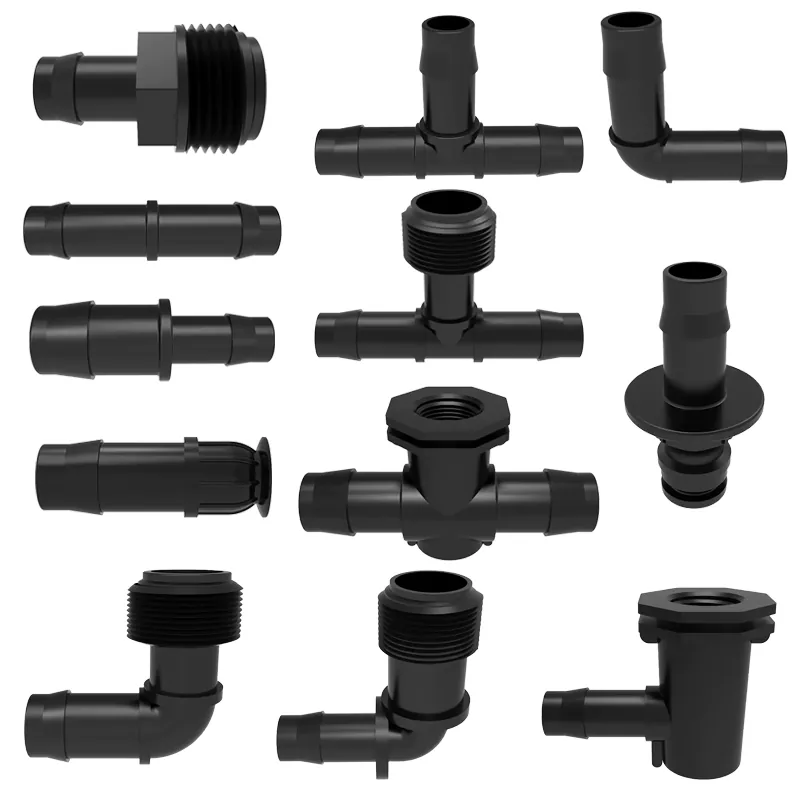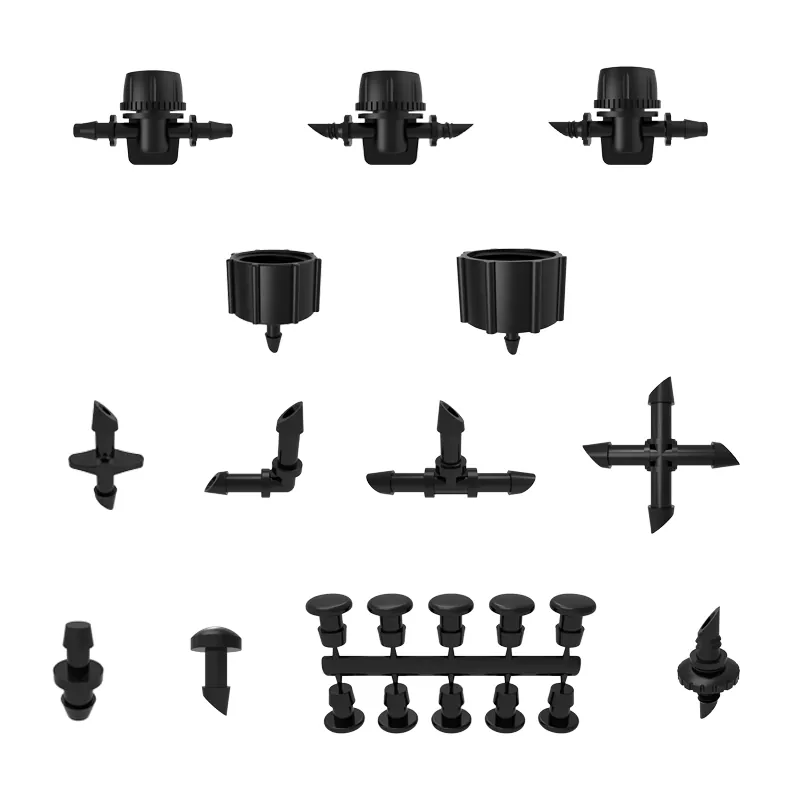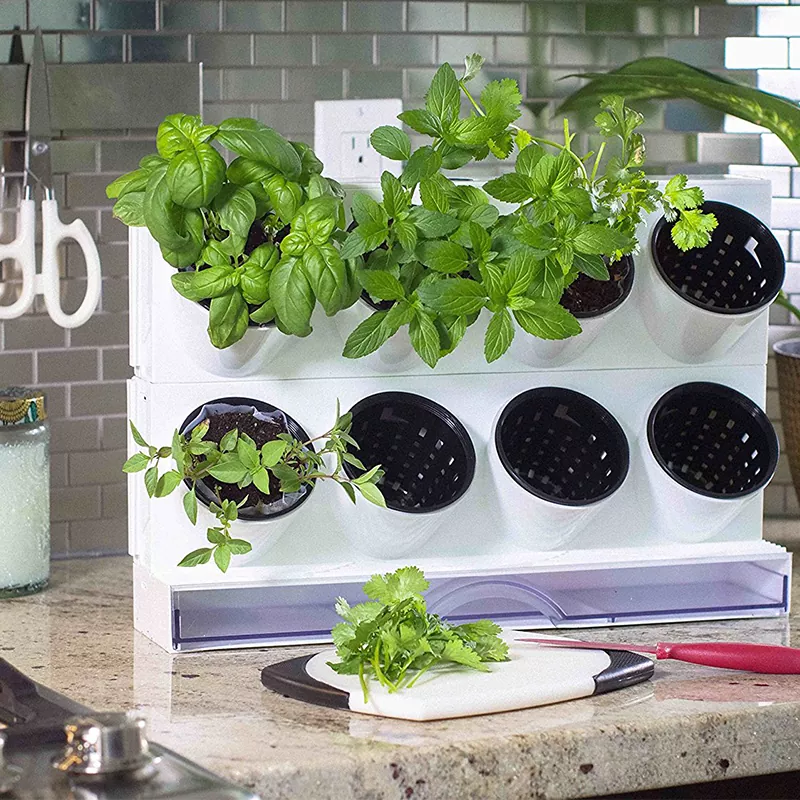
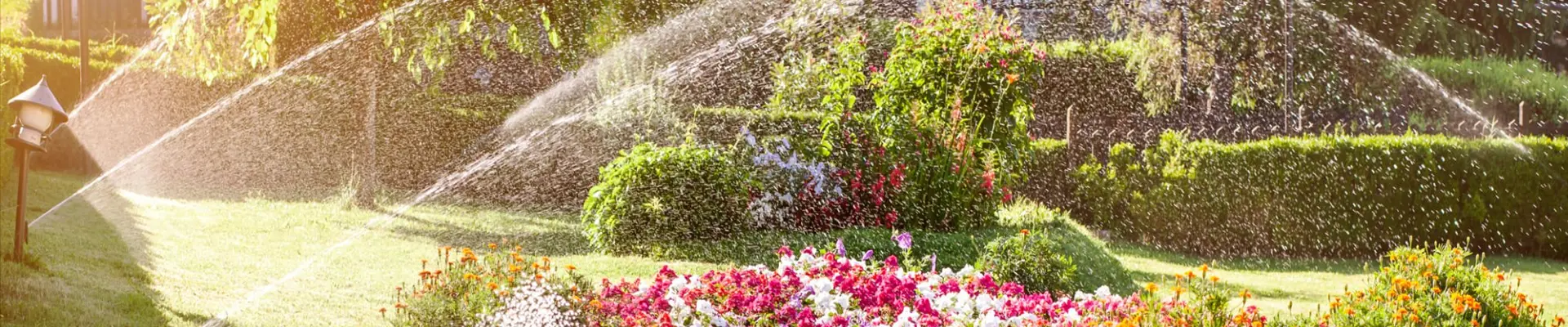
Home irrigation is the process of watering plants, trees, and grass in and around your home. It's an essential aspect of maintaining a healthy and beautiful landscape. Irrigation systems can be designed to provide the correct amount of water to your plants, while also conserving water.
Comprehensive Guide to Modern Irrigation Systems
Effective water management is crucial for maintaining healthy landscapes, agricultural fields, and gardens. Modern Irrigation systems have evolved significantly, offering precise control, water conservation, and automation. This guide provides an in-depth look at various irrigation technologies, their specifications, and answers to frequently asked questions.
Types of Irrigation Systems
Selecting the right irrigation method depends on factors like soil type, climate, plant needs, and water availability. Below are the primary systems used today:
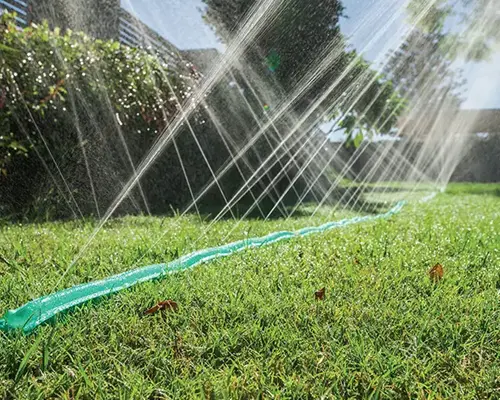
Sprinkler Irrigation: Mimics rainfall by distributing water through a system of pipes and sprinkler heads. Ideal for lawns and large areas.
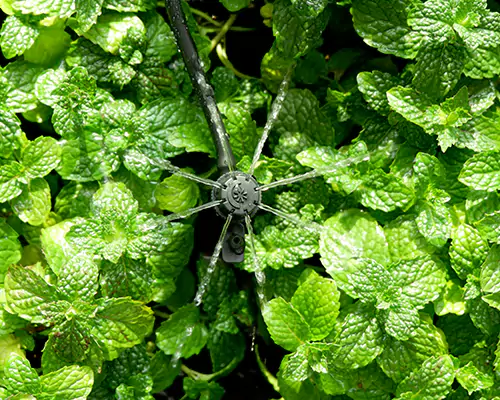
Drip Irrigation: Delivers water directly to the plant roots via emitters, minimizing evaporation and runoff. Perfect for gardens, rows of crops, and water-sensitive plants.
Surface Irrigation: Involves flooding or furrowing the land, allowing water to flow over the soil surface. Commonly used in agriculture for field crops.
Subsurface Irrigation: Places water below the soil surface, reducing evaporation and weed growth. Suitable for turf and certain crops.
Center Pivot Irrigation: A mechanized system where equipment rotates around a pivot, watering circular areas. Often seen in large-scale farming.
Here are some ways that micro irrigation can help you save water
usage:
1.Precise watering: Micro irrigation allows you to deliver water precisely where it's needed, directly to the roots of plants. This avoids wasting water by watering areas where it's not needed.
2.Reduced evaporation: Because micro irrigation delivers water directly to the roots of plants, there's less water lost to evaporation than with traditional irrigation systems that spray water into the air.
3.Reduced runoff: Traditional irrigation systems can cause water to run off and be wasted, especially on sloped or uneven terrain. Micro irrigation helps to reduce runoff by delivering water slowly and evenly to the roots of plants.
4.Water conservation: By delivering water directly to the roots of plants, micro irrigation can reduce water usage by up to 50% compared to traditional irrigation systems.
Overall, micro irrigation is an effective and efficient way to water your plants and conserve water at the same time. It's a great option for homeowners who want to maintain a healthy landscape while also reducing their water usage.
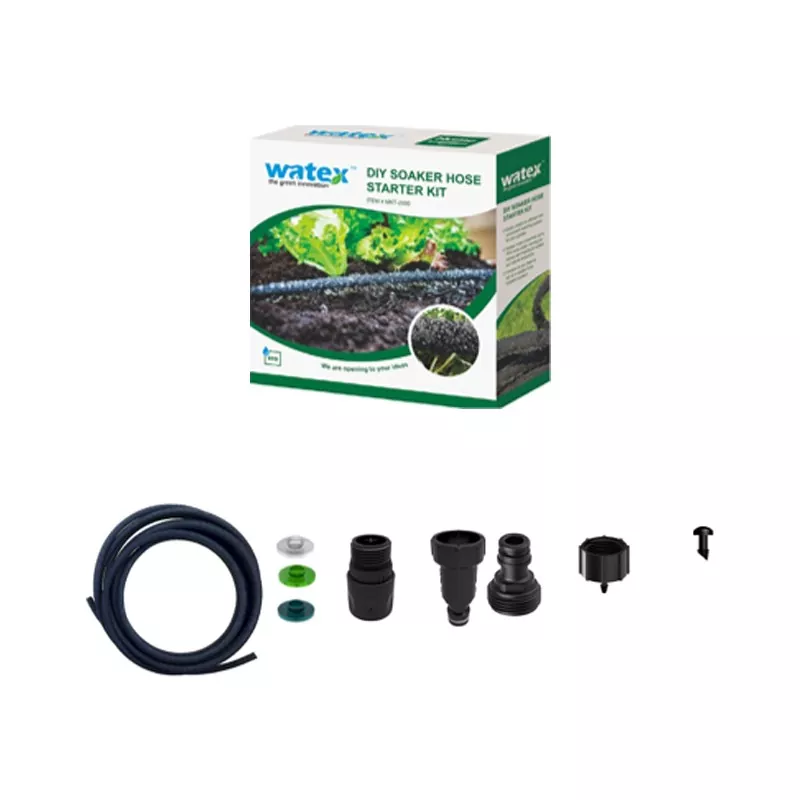
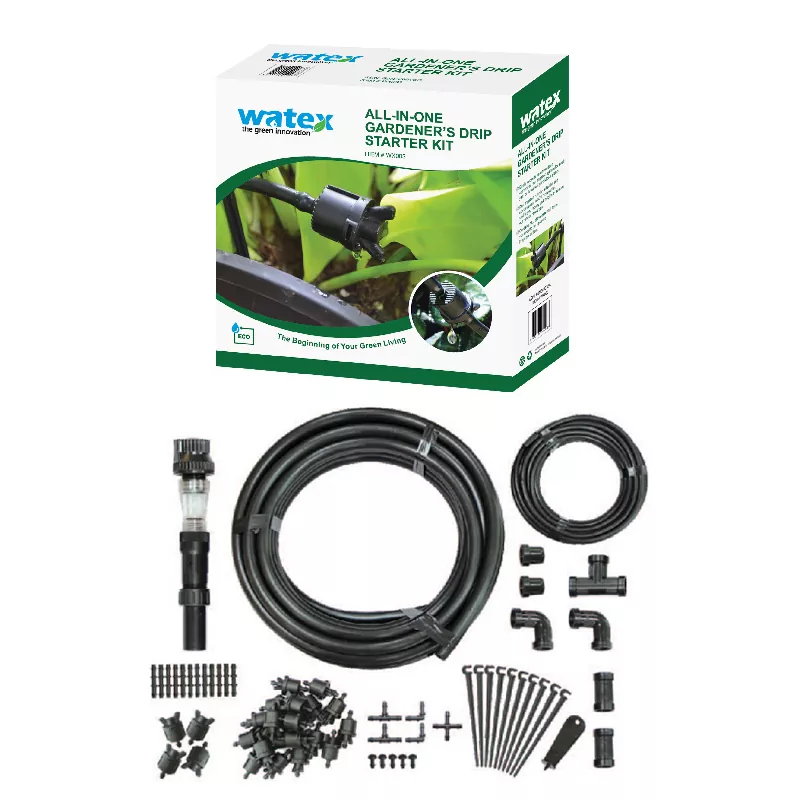
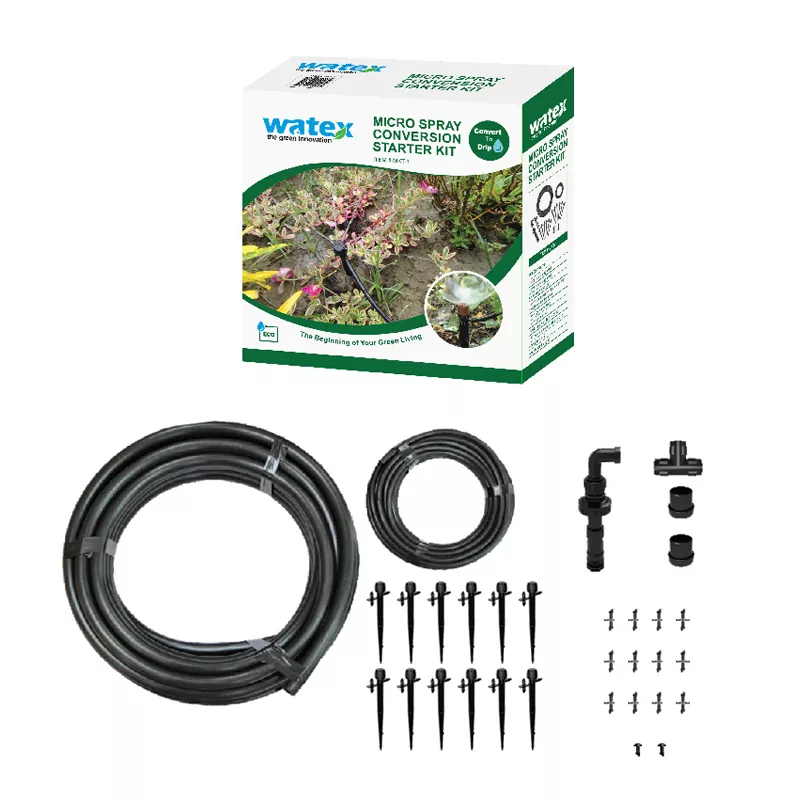
Copyright © 2025 Micro Mist Irrigation Products Co., Ltd. All Rights Reserved.