Today, with water resources becoming increasingly tight, efficient water-saving irrigation technology has become the focus of attention in the fields of agriculture and horticulture. Micro-sprinkler irrigation, as an advanced irrigation method, is bringing new solutions for water conservation and efficiency improvement with its unique advantages. It can not only precisely provide water for plants, but also effectively improve the local environment and promote the healthy growth of plants.
I. Working Principle of Micro-Sprinkler Irrigation
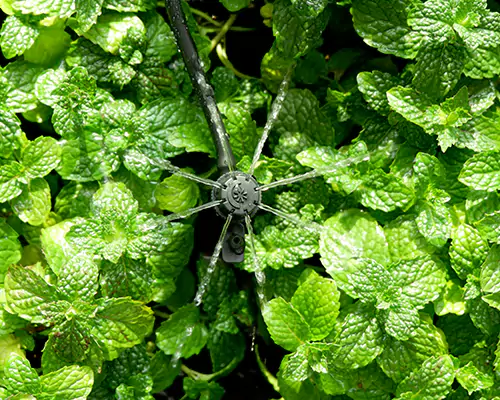
Micro-sprinkler irrigation utilizes specialized equipment to transform pressurized water flow into fine water or water droplets through tiny nozzles, which are evenly sprayed on the branches, leaves and other areas of crops. These tiny nozzles, like fine brushes, outline a evenly moist picture in the fields. Its working pressure is relatively low and the flow rate is small, but it can achieve regular and quantitative replenishment of soil moisture, creating favorable water conditions for crop growth.
Ii. Notable Features
Significant water conservation: Micro-sprinkler irrigation, by precisely controlling water volume, reduces deep water seepage and evaporation loss. Compared with traditional surface irrigation, it can save 50% to 70% of water. Its meticulous water supply method is like "feeding water" to crops, with every drop of water being utilized appropriately, significantly enhancing the efficiency of water resource utilization.
Regulating microclimate: Besides replenishing soil moisture, micro-sprinkler irrigation can also increase air humidity and regulate the local microclimate. In the hot summer, micro-sprinkler irrigation can lower the near-surface temperature in the field by 2-3 ℃, creating a relatively cool and humid growth environment for crops. For some crops that have high requirements for air humidity, such as flowers and edible fungi, this feature of micro-sprinkler irrigation is particularly important.
Strong anti-clogging performance: Compared with drip irrigation, micro-sprinklers have larger hole diameters and relatively faster water flow speeds, significantly reducing the risk of clogging. This enables the micro-sprinkler irrigation system to operate stably even when facing water sources with poor quality, ensuring the irrigation effect.
Wide adaptability: Micro-sprinkler irrigation is suitable for various terrains and soil conditions. Whether it is plains or mountainous areas, sandy soil or clay, it can achieve excellent irrigation results. At the same time, it can also be adapted to different crop planting patterns to meet diverse irrigation needs.
Iii. Wide range of application fields
Agricultural planting: In vegetable cultivation, micro-sprinkler irrigation can provide uniform water for vegetables, promote their growth, and improve their quality and yield. For leafy vegetables, micro-sprinkler irrigation can also clean the leaves and reduce the occurrence of pests and diseases. In orchards, micro-sprinkler irrigation can directly spray water onto the roots and branches of fruit trees, meeting the water requirements of fruit trees at different growth stages. At the same time, it regulates the microclimate of the orchard, which is conducive to the growth and development of fruits. In addition, micro-sprinkler irrigation has also been widely applied in fields such as flower and medicinal herb cultivation, providing a strong guarantee for the growth of these high-value-added crops.
Garden landscape: In urban garden irrigation, micro-sprinkler irrigation can create beautiful water scenes and provide sufficient water for garden plants at the same time. It can be used for lawn irrigation to keep the lawn green. It can also be used for irrigating flower beds and flower borders, making the flowers look so charming and juicy. Micro-sprinkler irrigation can also increase air humidity, improve the microclimate of cities, and create a more comfortable living environment for people.
Seedling cultivation and special places: During the process of cutting seedling cultivation, micro-sprinkler irrigation can provide suitable humidity conditions for cuttings, promote root growth of cuttings, and increase the survival rate of seedlings. In breeding sites, micro-sprinkler irrigation can be used for cooling and humidifying, improving the breeding environment and facilitating the healthy growth of animals.
Iv. System Equipment Composition
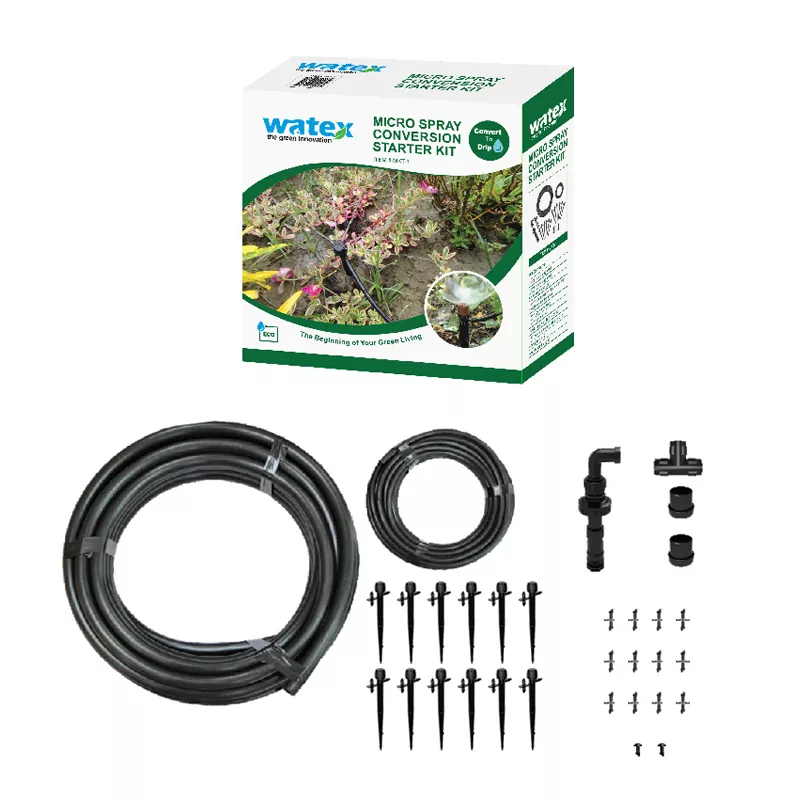
Micro-sprinkler heads: As the core component of micro-sprinkler irrigation systems, there are various types of micro-sprinkler heads. Common types include refraction type, rotary type, centrifugal type and slit type, etc. The refractive micro-sprinkler uses a refractive cone to disperse water flow, making it evenly fall to the ground. The rotary micro-sprinkler rotates through the reaction force of water flow, evenly sprinkling water around. Centrifugal micro-nozzles use centrifugal force to spray water in all directions. The slit micro-sprinkler, through a special slit structure, enables water to spray upwards in a fan shape. Different types of micro-sprinklers are suitable for different irrigation scenarios, and users can choose according to their actual needs.
Piping system: The pipes used in micro-sprinkler irrigation are mostly plastic pipes, such as high-pressure polyethylene, polyethylene, polypropylene, polyvinyl chloride, etc. These pipes have a high pressure-bearing capacity and good flexibility, and can adapt to different terrains and installation requirements. The main pipes are usually made of polyvinyl chloride pipes with larger diameters for transporting large amounts of water. The branch pipes and main pipes are mostly made of high-pressure polyethylene pipes, with relatively small diameters, which can precisely distribute water to each micro-nozzle.
Filtration device: To prevent impurities in water from clogging the micro-sprinkler heads, the micro-sprinkler irrigation system must be equipped with a filtration device. The type of filtration device is determined by the water quality conditions. Common ones include sand and gravel filters, screen filters, and disc filters, etc. These filters can effectively remove impurities such as sand grains, algae and weeds from the water, ensuring the normal operation of the micro-sprinkler irrigation system.
Fertilization device: Fertilization combined with irrigation is a major advantage of micro-sprinkler irrigation. Through the fertilization device, soluble chemical fertilizers can be directly sprayed onto the soil surface around the leaves or roots of crops along with the irrigation water, improving the fertilization efficiency and saving the amount of chemical fertilizers used. Common fertilization devices include bypass fertilization tanks, Venturi injectors, injection pumps, etc. Users can choose the appropriate fertilization method based on their actual situation.
V. Precautions for Use
Installation specifications: When installing the micro-sprinkler irrigation system, it is essential to strictly follow the operating procedures. The laying of pipes should avoid friction with hard objects to prevent damage. The installation of micro-sprinklers should be firm to ensure the correct spraying direction. At the same time, attention should be paid to the overall layout of the system to ensure uniform irrigation.
Water quality treatment: When using a micro-sprinkler irrigation system, it is necessary to ensure that the water quality of the water source meets the requirements. For water sources with poor water quality, thorough filtration and purification treatment should be carried out to prevent impurities from clogging the micro-nozzles. Regularly clean and maintain the filtration device to ensure its filtration effect.
Daily maintenance: Regularly inspect and maintain the micro-sprinkler irrigation system to promptly identify and address any issues. Check whether there is any leakage in the pipeline, whether the micro-nozzles are clogged or damaged, and whether the fertilization device is working properly, etc. After the irrigation season ends, the system should be drained and maintained to extend the service life of the equipment.
Vi. Future Outlook
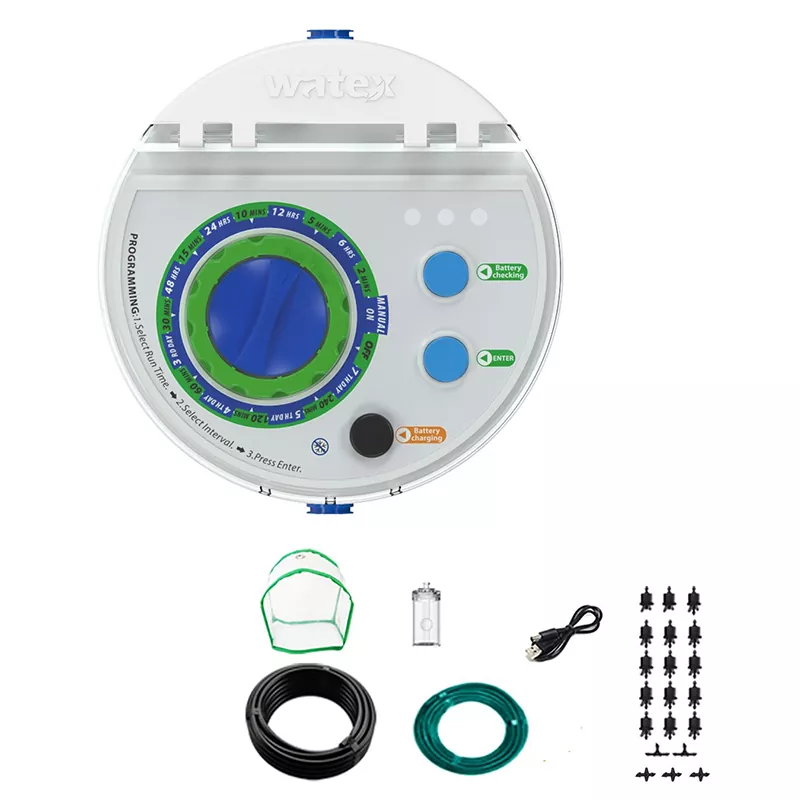
With the continuous advancement of technology, micro-sprinkler irrigation technology is also constantly developing and innovating. Intelligent micro-sprinkler irrigation systems are gradually coming into people's view. By using sensors to monitor soil moisture, meteorological conditions and other information in real time, they automatically adjust the irrigation time and water volume to achieve more precise irrigation control. Meanwhile, the application of new materials and equipment will further enhance the performance and reliability of micro-sprinkler irrigation systems and reduce costs. In the future, micro-sprinkler irrigation technology will play a more significant role in water-saving irrigation and make greater contributions to ensuring sustainable agricultural development and ecological environment construction.
Micro-sprinkler irrigation, this highly efficient water-saving irrigation technology, is bringing about new changes to the fields of agriculture and horticulture with its unique charm. It is not only an effective means to solve the problem of water shortage, but also an important support for achieving green and sustainable development. Let's look forward together to the micro-sprinkler irrigation technology shining even more brilliantly in the future.
We use cookies to offer you a better browsing experience, analyze site traffic and personalize content. By using this site, you agree to our use of cookies. Privacy Policy