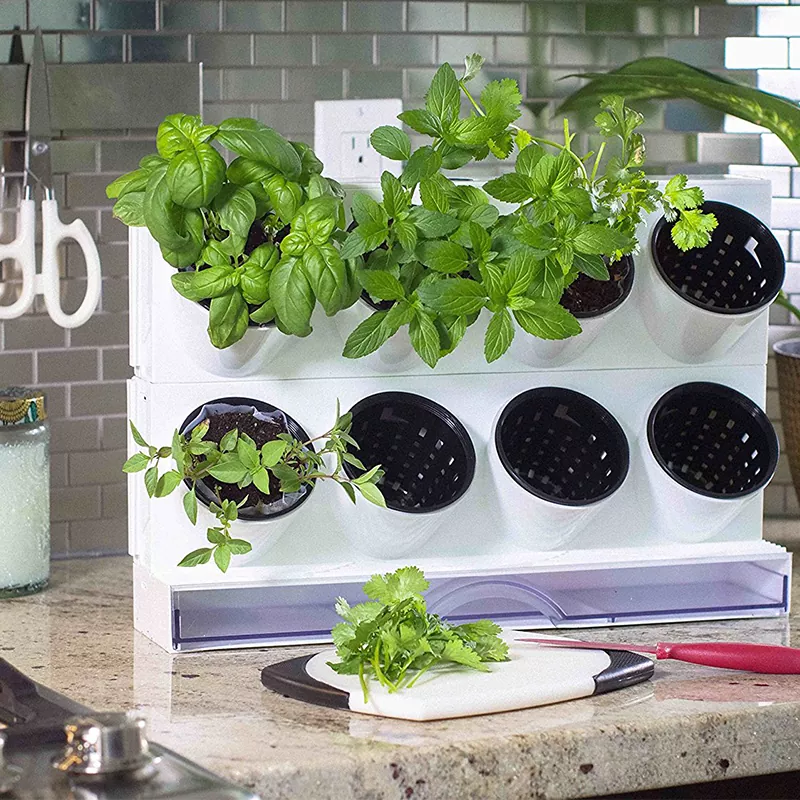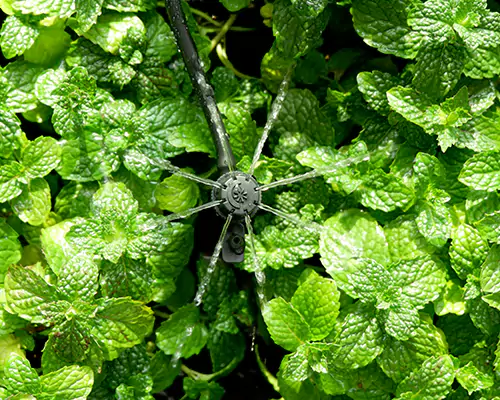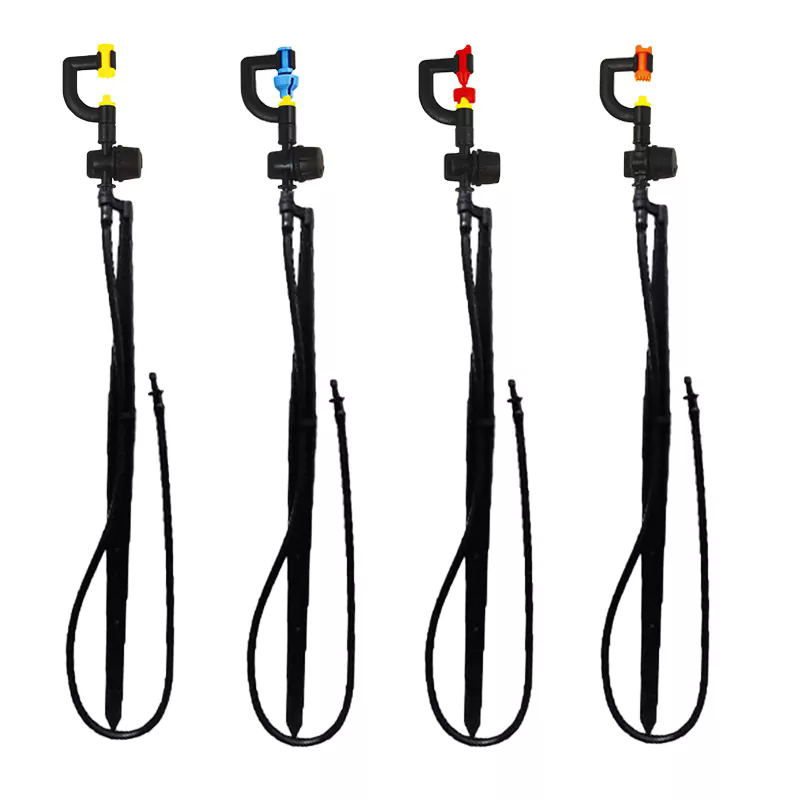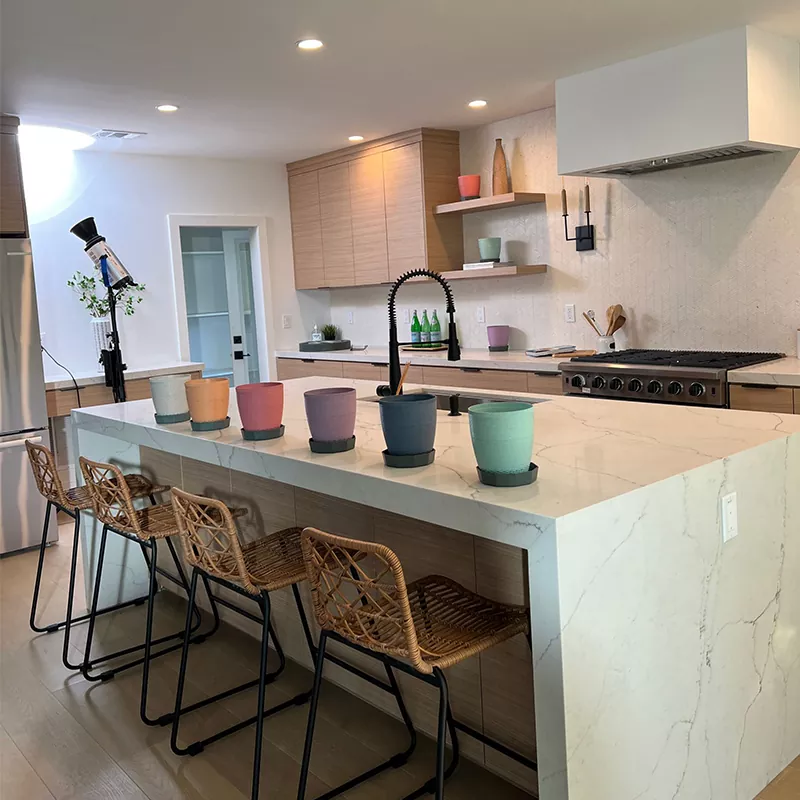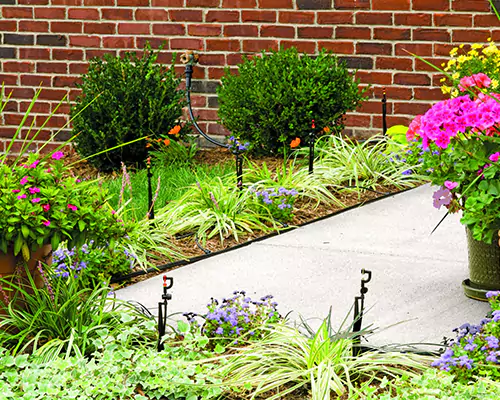

Eco Gardening Flower Pot, also known as ecological gardening, is a practice that prioritizes the health and well-being of the environment in the cultivation of plants and landscaping. It is an approach to gardening that emphasizes the use of natural methods and materials, such as compost, mulch, and organic fertilizers, to create a sustainable,healthy, and beautiful garden.
To achieve commercialization, modern agriculture now overuses pesticides and chemical fertilizers during cultivation, and even applies various growth hormones to alter plant growth cycles. Additionally, chemical preservatives are often used in transportation and sales to maintain freshness, all of which pose certain health risks to humans.
Early plastics met many daily needs, but left behind a permanent, unresolvable plastic waste problem...
The next step is to develop biodegradable materials, but they tend to degrade easily when exposed to water and are too costly to be used in everyday products...
The origin of wheat straw PP material is our optimal solution for addressing plastic product challenges.
In the early days, people used leather hoses, and planting required land.
The next step involves using planting pots with watering pots or irrigation systems, requiring both irrigation planning and practical skills.
The other is water culture, but it has some professional knowledge to the nutrient solution, and the roots are soaked in water for a long time, so the applicable species is limited;
Some use water-storage lazy irrigation, but often the plants fail to survive due to poor understanding of their natural growth patterns.
Through years of field testing and practical experience, we've developed our proprietary innovative irrigation system called' Hybrid Irrigation with Water '. This breakthrough addresses three key issues: impractical irrigation systems, user unfamiliarity with traditional methods, and the widespread misconception that water storage planters are the only solution for lazy gardening. The reality is, these outdated approaches simply can't sustain healthy plant growth.
Any plant needs healthy roots to survive, and healthy roots come from two essential conditions: proper water and adequate aeration.
Our new flower pot design is specifically crafted to fulfill these two requirements:
1. The flower pot features built-in ventilation holes at the base with a pre-installed filter, ensuring optimal water absorption and air circulation while preventing soil erosion.
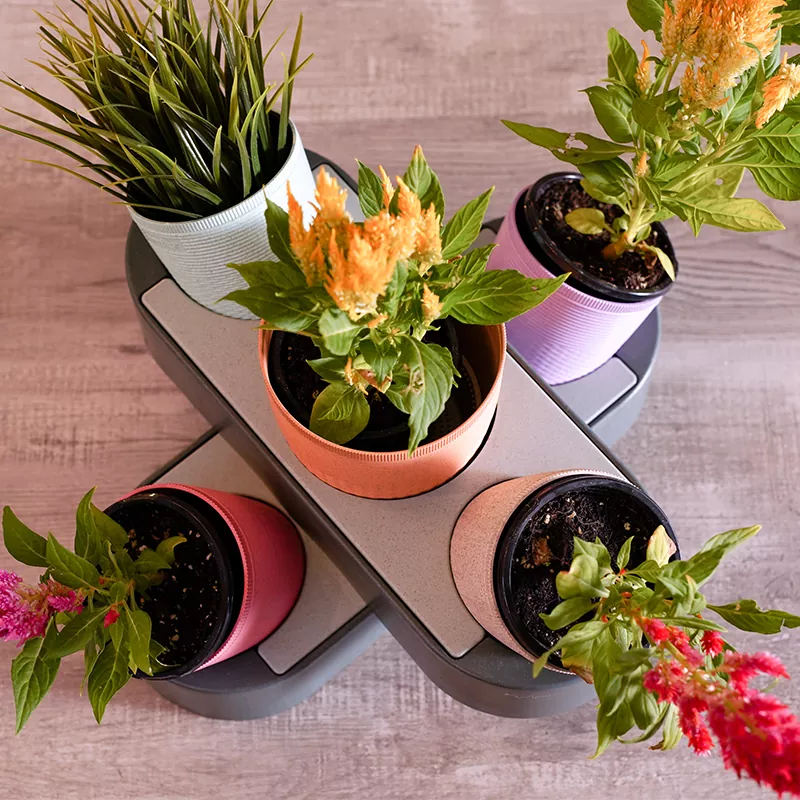
2. Design various water storage basins that can hold water and nutrient solutions, functioning as rechargeable stations (water replenishment hubs) for each pot. When placed in these basins, flower pots allow the soil to absorb water through capillary action, maintaining optimal aeration while preventing water sedimentation and clumping that could harm root health.
3. Place the water-absorbing flower pot in its designated spot for a show, then return it to the water storage basin once the soil is fully dry. This cycle saves watering time while promoting optimal growth for your plants.
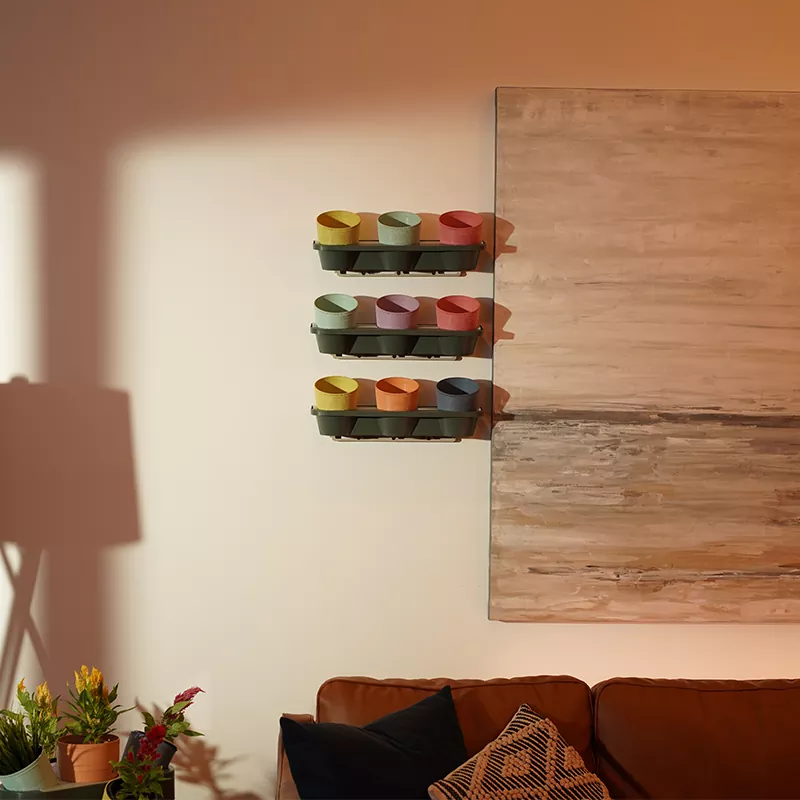
4. The various water storage basins, when planted with greenery, create a beautiful landscape that blends seamlessly into different settings. Of course, if you plan to grow plants directly in these basins, make sure to thoroughly dry the soil before adding water. This requires growers to carefully monitor the seasons and plant conditions to better care for their favorite plants.
5. If the water in the storage basin is not used for the flower pot, a lid can be added to preserve the nutrient solution for future watering needs.
1. What are the differences between PP straw feed and regular plastic?
Answer: 1. Straw-based feed is more rigid and less prone to deformation, whereas ordinary plastic is softer and deforms easily with even slight pressure during use.
2. Ordinary plastics emit toxic fumes when burned, while wheat straw fibers decompose naturally without releasing harmful substances at high temperatures.
2、What is the difference between PP straw feed and food-grade plastic?
Answer: While food-grade plastics are still predominantly non-biodegradable and environmentally unfriendly, wheat straw materials offer a greener alternative. They can decompose under specific conditions and are compatible with recycled materials, making them a more effective solution for reducing plastic use.
Answer: 1. First, it has no pungent odor, but rather a natural wheat straw fragrance.
2. The product contains no artificial pigments, harnessing the natural hue of wheat straw for a more elegant and sophisticated look.
3. The added wheat straw improves breathability.
4. What is a water replenishment station? How often should it be watered, and how long can it last after watering?
Answer: The water reservoir basin, also known as a water replenishment station, is designed for self-priming irrigation in hydroponic farming. Imagine the hassle of watering multiple potted plants individually. With this station, you can conveniently add water and nutrient solution. Simply place your dried plants in the station to absorb water, then transfer them to their desired locations. In summer, this process is typically done weekly, while in winter, it can be done every two weeks. Nurturing your plants becomes effortless and convenient.
4, 5, 6-inch basin with 20-45% water absorption capacity: 4-inch-125ml, 5-inch-185ml, 6-inch-320ml
The 4-inch water tray holds 150ml, the 5-inch 360ml, and the 6-inch 370ml.
The water storage levels for the three base types (disc, wall-mounted, and stacked) are 1200ml, 400ml, and 400ml respectively.
5. Why does the surface have a granular texture, and what are these particles?
Answer: These granules are wheat straw, a natural plant fiber. The granular texture enhances its grandeur, which is a defining feature of the product.
6、How to choose the size of the basin?
Answer: 4-inch pots are ideal for small plants, while 5-inch and 6-inch pots are better for medium to large-sized plants. (When selecting plants, you can compare pots to find the perfect match.)
7、The pot has many perforations at the bottom. Could the soil leak out from inside?
Answer: Each pot comes with a filter tray that prevents soil leakage while ensuring proper root ventilation. It also helps plants absorb water efficiently through self-replenishment.
8. Is it more cost-effective to buy them individually or as a bundle?
Answer: We designed the base to optimize space utilization. Whether purchased individually or in sets, it offers great value, with all pots fully integrated into the scene.
9. What are the characteristics of original color flower pots?
Answer: This flower pot contains no artificial pigments, showcasing wheat straw's natural hue and perfectly complementing rustic settings.
10、How long will the flowerpot last?
Answer: The wheat straw PP has passed 10 cycles of temperature variation from-20°C to 80°C. It can be used normally for over 3 years in general environments without any issues.
11. Can flower pots be used both indoors and outdoors?
Answer: The wheat straw PP contains UV-resistant components, making it safe for both indoor and outdoor use. According to ISO 4892-2 Cycle B1 Table B1, our UV test chamber has passed the 400-hour test.


Copyright © 2025 Micro Mist Irrigation Products Co., Ltd. All Rights Reserved.