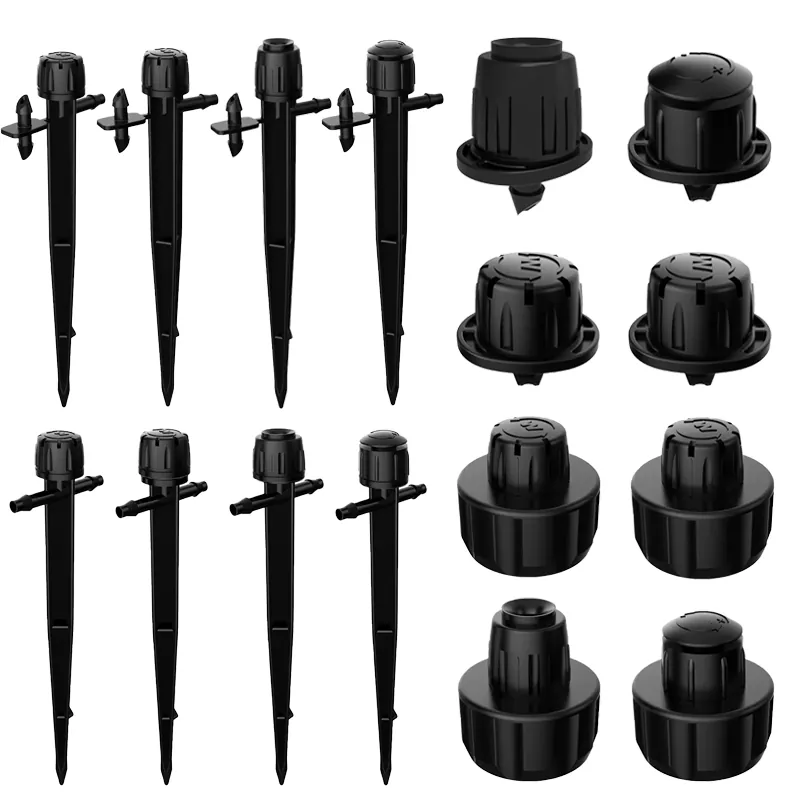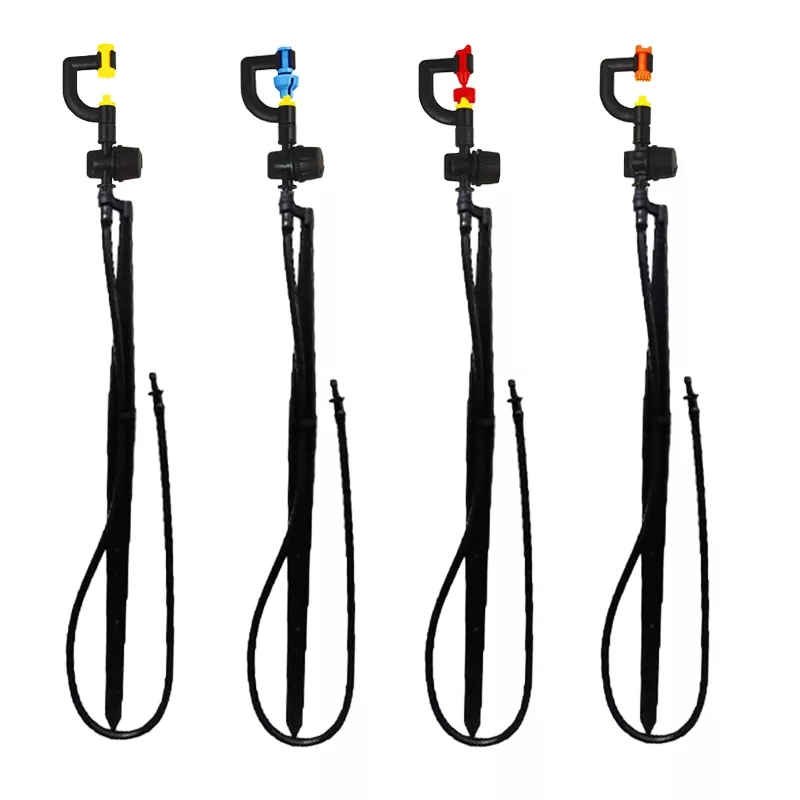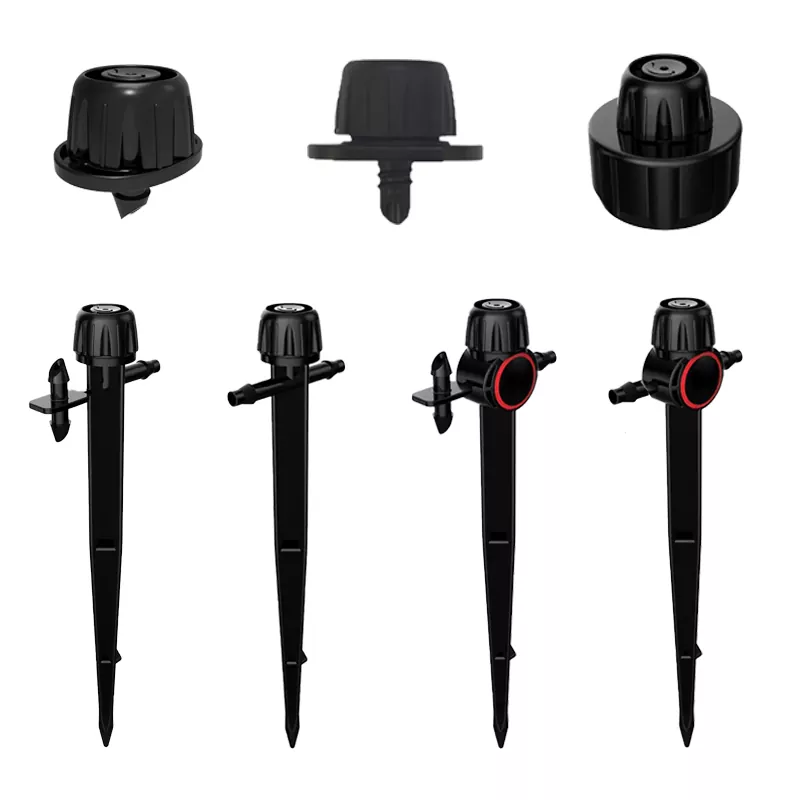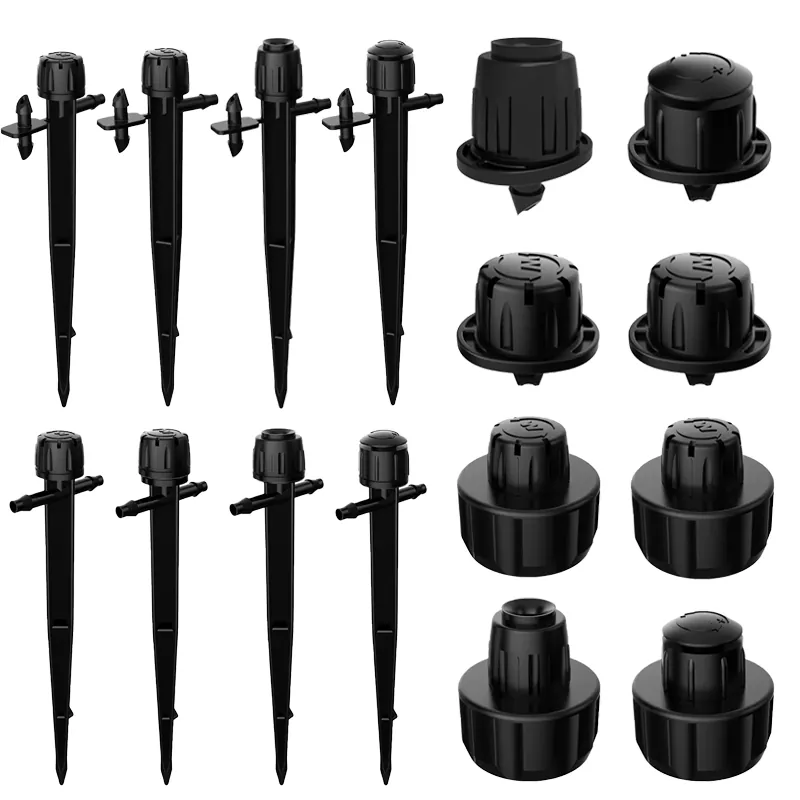

Pure clean‑water lab assessment cannot replicate actual irrigation supply water carrying fine sand, organic silt and mineral precipitates. Tiny particles lodge inside narrow internal flow passages of rotary‑adjust sprayers. Partial blockages shift actual output flow far away from labelled setting values; some nozzles lose rotary spray function entirely and turn to uneven dribble output. Random sample inspection with clean water completely misses this failure mode. MMIPCO runs accelerated circulating testing using sediment‑mixed water simulating typical landscape water sources. Each new mould release undergoes multi‑hundred‑hour sediment exposure screening. Internal flow‑path geometry gets optimised to reduce particle trapping points, lowering in‑field nozzle‑clog maintenance work for large‑scale nursery and landscape installations.
Most component suppliers publish flow‑rate data measured only at one nominal inlet pressure. On‑site irrigation systems experience wide pressure swings caused by multi‑zone valve switching, pump cycling and elevation differences across garden sites. For rotary‑twist adjustable sprayers, inconsistent inlet pressure distorts the relationship between cap‑twist position and real‑world water output. End‑users cannot achieve expected watering volume even when adjusting rotary cap to recommended positions. MMIPCO records complete flow‑performance curves across the full operating pressure bandwidth referenced against ISO 5682‑1 irrigation‑nozzle testing framework. The dataset supports landscape designers selecting correct spray‑unit quantities for sites with unstable water‑supply conditions and avoids uneven watering outcomes across multi‑zone landscaping layouts.
Prototype‑stage manual twist checks offer limited insight into long‑term wear behaviour. In real‑world landscaping maintenance, grounds‑staff repeatedly rotate the adjustment cap season‑to‑season to match changing plant‑watering demands. Inferior internal thread‑and‑stop‑rib geometry suffers gradual plastic wear. Over time, the rotary cap slips out of user‑selected position spontaneously, shifting from spray mode into drip or shut‑off state without human intervention. This creates under‑watered plant zones difficult for maintenance crews to trace. MMIPCO executes thousands‑of‑cycles rotary‑twist lab simulation on finished assemblies. Wear‑rate acceptance thresholds lock in mechanical‑rib geometry, minimising spontaneous setting‑slippage risk over multi‑season landscape‑site service life.
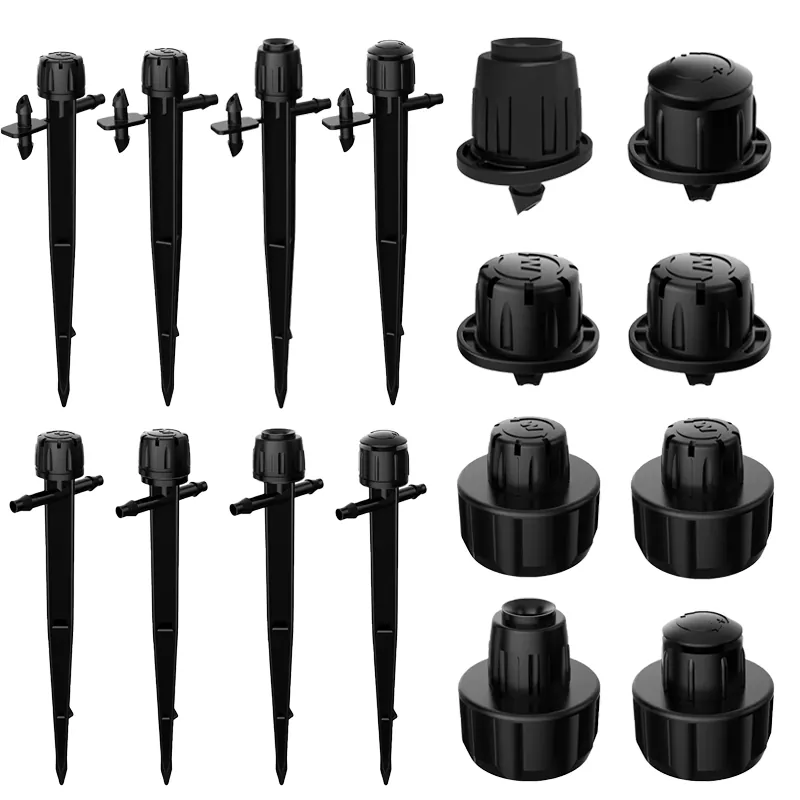
Raw‑plastic material specification sheets can list impact‑strength numbers measured on un‑aged injection‑moulded samples. Continuous outdoor solar UV radiation degrades polypropylene irrigation components left exposed above‑ground. After several seasonal cycles, adjustment‑cap and stake‑body material turn brittle; light mechanical knock during garden‑maintenance work creates cracks or complete component fracture. Many suppliers skip UV‑exposure validation for irrigation micro‑components. MMIPCO subjects finished sprayer assemblies to accelerated xenon‑arc UV‑aging testing matching subtropical and temperate outdoor exposure levels. Post‑aging impact‑strength inspection filters out vulnerable plastic‑formulation batches, raising component survivability for non‑covered landscape‑garden deployments.
Ground‑stake‑style Twista sprayers receive concentrated impact force when installers drive stakes into compacted, stony garden soil. Prototype units are pushed into soft loam test soil with zero visible damage. In real‑world projects, rocky or heavily compacted ground creates high local stress on stake‑body transition sections, generating hidden micro‑cracks that slowly propagate underground. Weeks after installation, water leaks develop at stake‑to‑spray‑head joints. These subsurface cracks remain invisible to above‑ground visual checks. MMIPCO simulates high‑resistance ground‑insertion force during pre‑production qualification. Stake‑wall thickness and transition‑fillet radii get optimised, cutting hidden underground joint‑leak failures during large‑volume landscape‑project roll‑outs.
Many regional garden‑hardware retail chains require component‑level material declarations for imported micro‑irrigation goods. Generic one‑off prototype certificates cannot satisfy serial‑production‑batch audit requirements. Without traceable English‑language material dossiers, distributors face customs‑clearance delays and supplier‑audit non‑compliance. MMIPCO maintains incoming‑plastic‑resin traceability for each production lot. Project‑specific compliance documentation accompanies bulk shipments, removing third‑party re‑testing burden for cross‑border irrigation‑hardware importers and landscape‑project integrators.
Copyright © 2025 Micro Mist Irrigation Products Co., Ltd. All Rights Reserved.